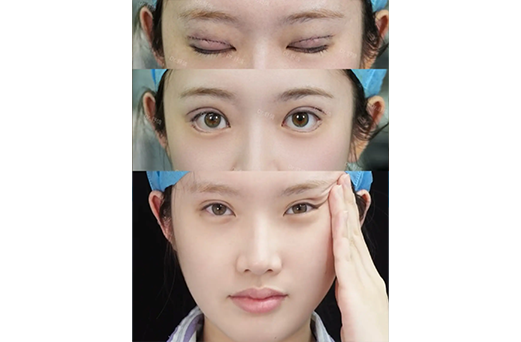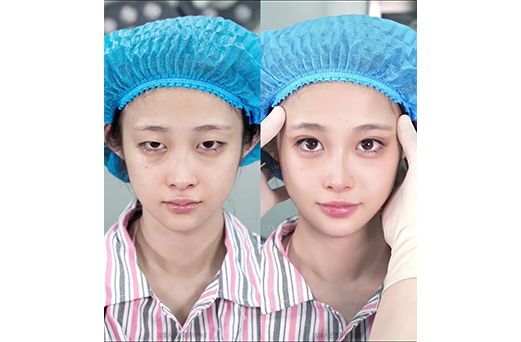








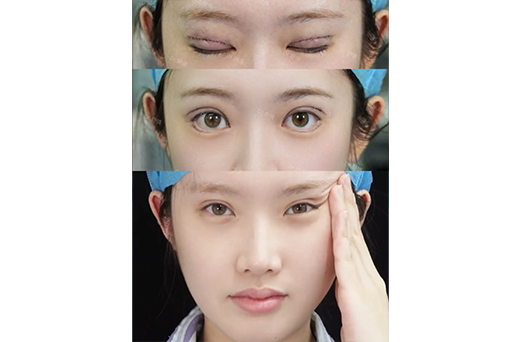
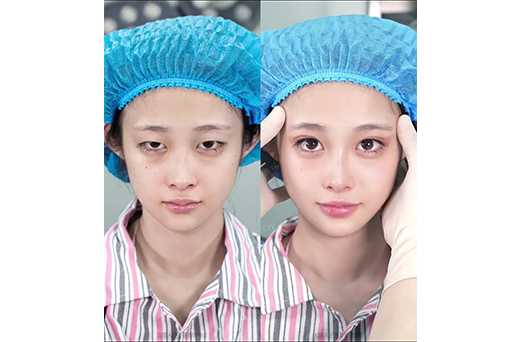
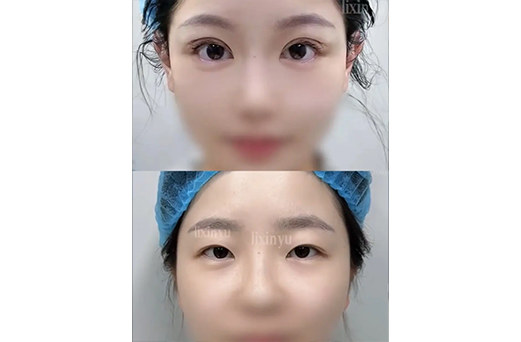
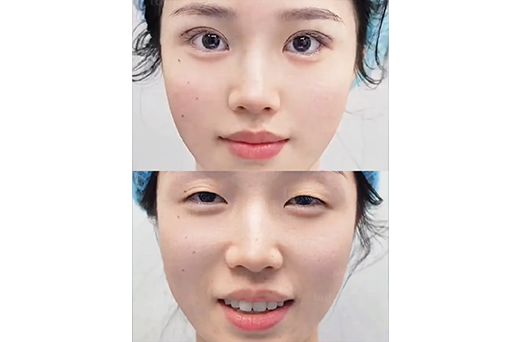
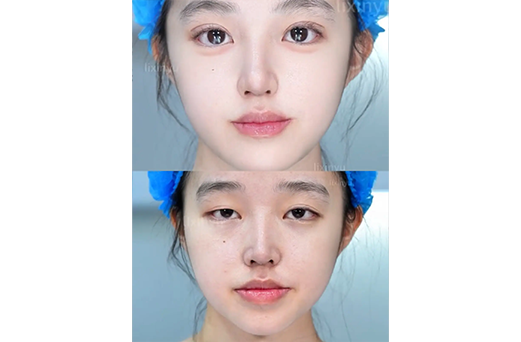
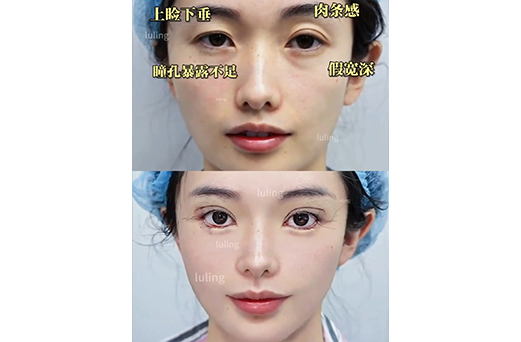
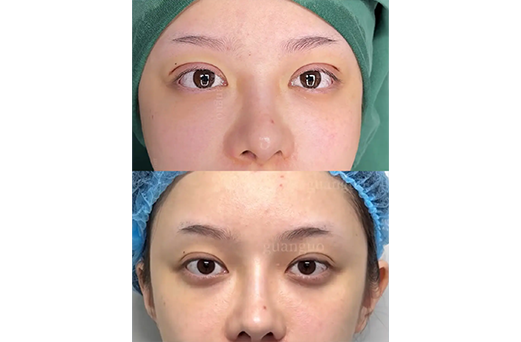
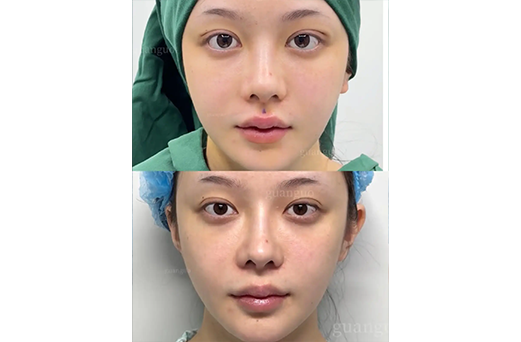
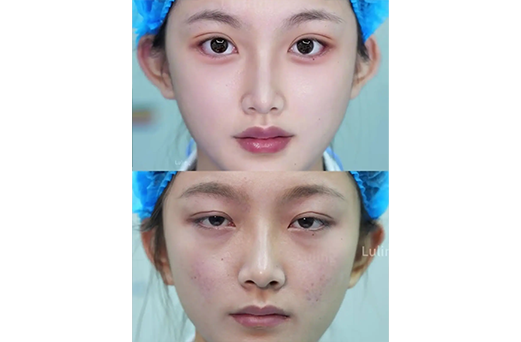
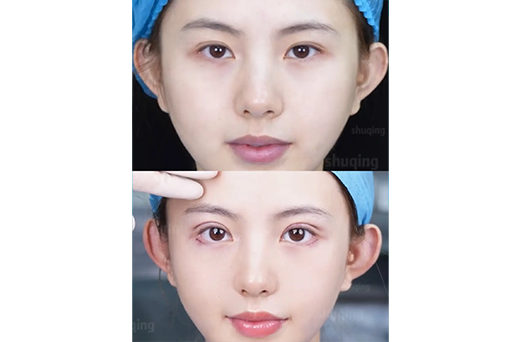
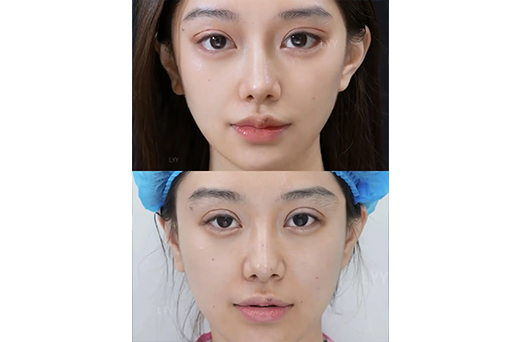
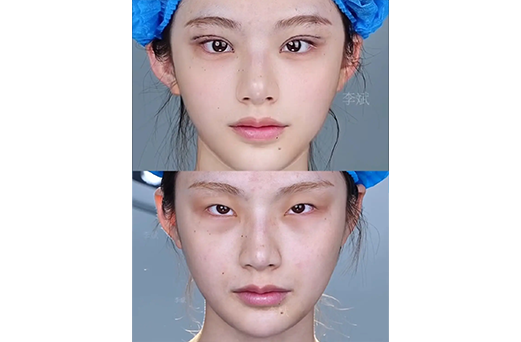
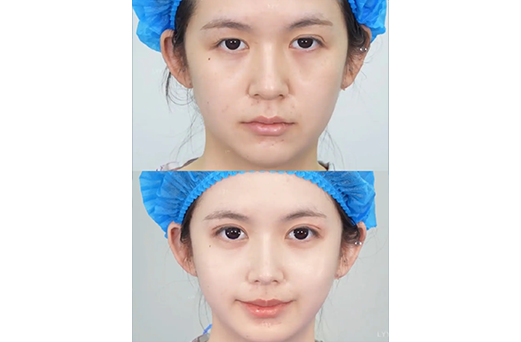
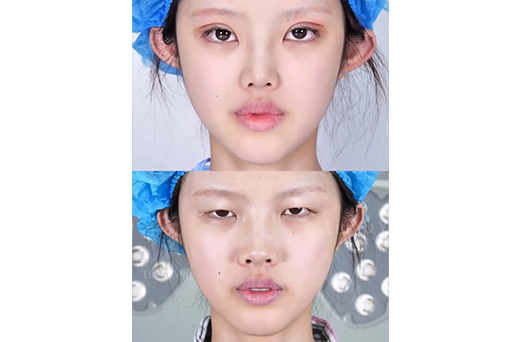
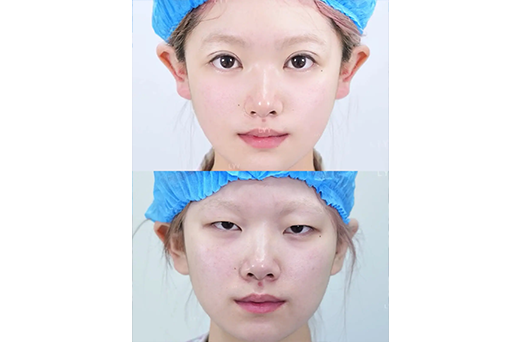
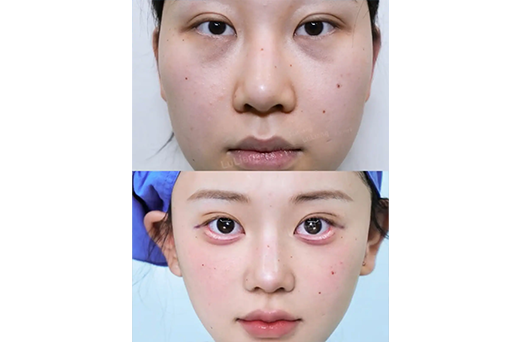
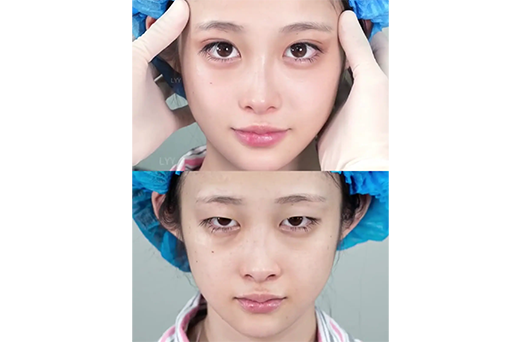
Main surgical types and procedure selection
The core decision in eye plastic surgery lies in matching the appropriate procedure based on your skin thickness, fat volume, and degree of laxity.
Double eyelid formation (eyelid plasty)
This is the most common eye surgery, and it is mainly divided into three types:
Thread method: Fix the skin to the eyelid plate with sutures without cutting. The advantage is the smallest trauma and the fastest recovery (about 1-2 weeks for swelling subsidence), without scar from the incision. However, the effect is not permanent, lasting about 3-5 years, and it is not suitable for those with "puffy eyes" or loose skin. It is suitable for young people with thin eyelids and no laxity.
Small incision method (three-point/five-point positioning): Make several small incisions on the eyelid and remove a small amount of fat for fixation. The recovery time is between the thread method and the full incision, about 2-4 weeks for basic swelling subsidence. It cannot remove the loose skin, so it is not suitable for those with significantly loose skin.
Full incision method: Cut the entire eyelid, which can remove excess fat and loose skin. The effect is long-lasting and stable, and it has the widest application range, especially for those with puffy eyes and loose skin. However, it has the greatest trauma, the slowest recovery, and complete naturalness usually requires 3-6 months, and there will be a linear scar from the incision (which fades over time).
Blepharoplasty
It is not a "standard" for double eyelids and needs to be strictly determined based on the degree of inner canthus hypertrophy and the length of the palpebral fissure.
Inner canthus incision: For those with obvious inner canthus hypertrophy and wide palpebral fissure. By loosening the hypertrophy, elongate the horizontal length of the palpebral fissure, making the double eyelid line more complete. Risks include scar hyperplasia and excessive exposure of the tear pouch (pink fleshy area) due to excessive exposure, resulting in an unnatural appearance or dry eye irritation.
Outer canthus incision: Only suitable for a few cases where the palpebral fissure is too short and the outer canthus is drooping. Due to the special structure of the outer canthus, the surgery is irreversible, and if the incision is too large, it may cause excessive exposure of the white of the eye, incomplete closure, retraction, and higher risk of scarring, requiring extreme caution.
Eyebag removal surgery
Choose different approaches depending on whether the skin is loose.
Internal incision method (through conjunctiva approach): Make an incision on the inner side of the eyelid, with no visible scar on the surface. Suitable for young people with tight skin and only fat protrusion. The trauma is small, swelling subsides in 1-2 weeks, and natural appearance is achieved in about 1 month. The limitation is that it cannot improve skin laxity.
External incision method (through skin approach): Make an incision at the lower eyelid eyelash edge, which can remove both fat and loose skin. Suitable for those with moderate to severe eye bags and skin laxity. The recovery period is longer, swelling subsides significantly in 2-4 weeks, and the incision marks completely fade to unnoticeable in about 3-6 months.
Upper eyelid ptosis correction surgery
This is mainly a functional issue, referring to excessive covering of the pupil by the upper eyelid, making it look dull, which may affect vision. The surgery improves the opening strength by shortening or strengthening the levator palpebrae superioris muscle. This is a secondary surgery with certain technical difficulty and higher risks. Possible complications include insufficient or excessive correction, incomplete closure of the eyelid, exposure keratitis, etc.
⏱️ Recovery timeline: Patience is part of the effect
The recovery from eye surgery is a gradual process, and the pace varies greatly for different procedures.
1-3 days after surgery (swelling peak): Cold compress is key, using ice packs (with sterile gauze) for 15-20 minutes, several times a day, to reduce swelling and bleeding. Try to rest in a semi-sitting position to avoid increased swelling from lying flat.
4-7 days after surgery (swelling subsidence and suture removal): You can switch to warm compress (not exceeding 40°C) to promote circulation. For incision surgeries, the stitches are usually removed on the 5-7th day. Avoid water on the wound before suture removal. Use sterile cotton swabs to gently clean the secretions.
1-4 weeks after surgery: Most swelling has subsided. The thread method may be basically natural; three-point positioning is close to natural; the full incision method still has significant swelling, and the appearance may not be symmetrical or have a "flesh strip" sensation, which is a normal phenomenon during the recovery period.
1-6 months after surgery: Tissue continues to repair, and the shape gradually stabilizes. The "fleshy strip" sensation of a full-thickness double eyelid will become softer, and the scar from the incision will go through a process from red to pale. The fully natural state usually takes 3 to 6 months with the full-thickness method, and the scar fading from the outer incision method also requires a similar period.
⚠️ Key risks and contraindicated groups
Alerting risk signals
In addition to the general surgical risks such as bleeding, infection, and asymmetry, there are special concerns for eye surgeries. If postoperative severe pain, blurred vision, significant bleeding from the wound, or obvious fever occur, which are beyond the normal recovery range, contact the doctor immediately and do not handle it yourself. After upper eyelid ptosis correction and eyelid opening surgery, special attention should be paid to scar hyperplasia and incomplete eyelid closure.
The following groups are usually not suitable or need extremely cautious assessment:
Those with active ocular infections (such as conjunctivitis, blepharitis) need to be cured before considering surgery.
Those with uncontrolled severe systemic diseases, such as heart, liver, kidney dysfunction, or severe coagulation disorders.
Those with a scar-prone constitution.
Pregnant, lactating, or menstruating women.
Those with unrealistic psychological expectations or those hoping the surgery solves other problems.
Those under the age of 16 (unless medically necessary).
? Summary
The key to eye contour surgery lies in "fitting" rather than "trendiness". The suture method offers quick recovery but is not permanent; the full excision method provides stable results but requires a longer recovery period and incision marks. The slanted eye opening is an optional additional option for specific eye shapes, not a necessity. The final plan should be based on your actual eye condition and acceptable recovery period, determined by a professional doctor after a face-to-face assessment.