










? Common private cosmetic surgeries for women
Private surgeries for women are more diverse in clinical practice, and common procedures include:
Mini-vaginal lip reduction surgery
Main indications: Excessive enlargement or asymmetry of the labia minora, causing repeated friction pain, discomfort during movement or wearing tight clothing, difficulty in local cleaning, or repeated infections.
Surgical overview: Under local anesthesia, a portion of the enlarged tissue is removed and carefully sutured. The operation usually lasts about 40 minutes to 1 hour.
Vaginal tightening surgery
Main indications: For pelvic floor support structure relaxation caused by postpartum or aging, with obvious subjective symptoms (such as decreased sexual experience, feeling of descent), and no significant improvement after standard pelvic floor rehabilitation training (such as Kegel exercises). Mild relaxation is usually prioritized for non-surgical methods.
Surgical overview: Through surgery, the lax mucosa, pelvic floor muscles, and fascia are repaired and tightened to reduce the inner diameter of the vagina.
Pudendal repair surgery
Main indications: Due to sexual activity, trauma, or intense exercise, the pudendal membrane ruptures and causes psychological burden.
Surgical overview: Using the remaining pudendal membrane tissue for repair or reconstructing a new pudendal membrane.
Clitoral plastic surgery
Main indications: Excessively long clitoral foreskin covering the clitoris, or clitoris and foreskin adhesion affecting erectile function.
Surgical overview: Through clitoral foreskin shaping or adhesion release, the clitoris can be properly exposed.
Major labia plastic surgery
Main indications: Age-related atrophy and dryness of the major labia, affecting appearance or causing subjective discomfort.
Surgical overview: Usually through filling (such as autologous fat) to enhance fullness and improve the dry condition.
In addition, there are vaginal opening correction surgery (correcting narrow, wide, or birth injury deformities), labia bleaching, G-spot injection, etc.
? Common private plastic surgeries for men
The private surgeries for men mainly include circumcision, penile enlargement, penile elongation, and penile curvature correction. Among them, circumcision is the most common, while the other procedures are mostly aimed at specific functional or morphological issues.
⏱️ Recovery period and main risks
The private area has rich blood supply and dense nerve endings, requiring high precision in operation. Therefore, recovery requires patience, and any invasive operation has inherent risks.
Recovery timeline (for common procedures)
Mini-clitoroplasty: Swelling and pain are more obvious within 48 hours after surgery, which can be relieved by cold compress; the wound healing period is approximately 2-4 weeks; sexual activity, bath, and swimming are prohibited within 1 month after surgery; complete softening of the scar usually takes 3-6 months.
Vaginal tightening surgery: Return to work can be done about 1 week after surgery; gradual sexual intercourse can be resumed after 6-8 weeks; complete recovery usually takes about 3 months, which varies from person to person.
Warning signs of potential risks
Persistent and worsening pain, abnormal bleeding, fever, purulent discharge, or increased redness, swelling, and pain at the wound site after the surgery indicate possible infection or poor healing, and you should return to the hospital for a follow-up visit promptly, without self-treatment. Other potential risks include bleeding, infection, poor incision healing, scar hyperplasia, local sensory loss or unsatisfactory shape.
⚠️ Who are not suitable for or need to postpone the surgery?
The following situations fall under surgical contraindications or require addressing first:
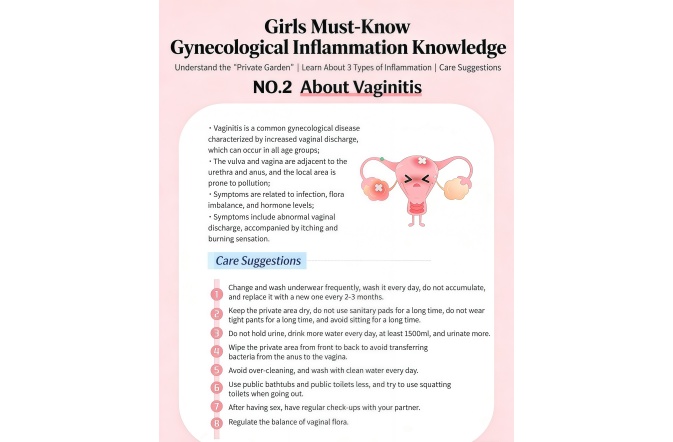
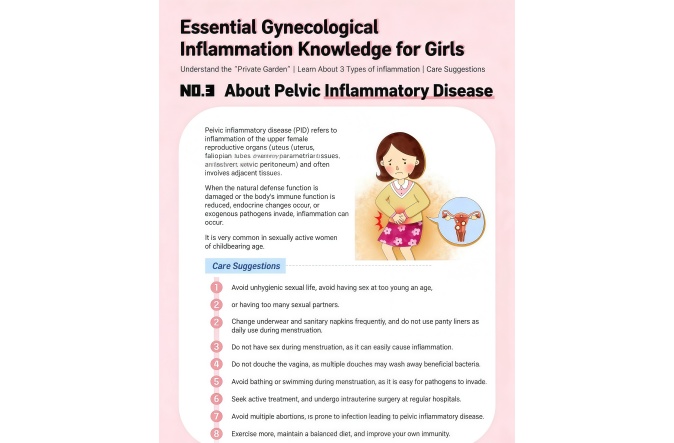
Active infections: such as acute gynecological inflammations like vaginitis or pelvic inflammatory disease, which need to be cured before re-evaluating the surgery.
Uncontrolled systemic diseases: severe hypertension, diabetes, coagulation dysfunction, or heart and lung diseases, which cannot tolerate surgery or affect healing.
Special physiological periods: menstruation, pregnancy, and lactation.
Scarring-prone individuals: need to be evaluated by the doctor for the risk of scarring.
Psychological expectations that are unrealistic: having unrealistic expectations for the surgical outcome, or having an unstable mental or psychological condition, are not suitable for the surgery.
Age factor: for procedures like clitoroplasty, it is not recommended to undergo surgery before the body is fully matured (usually under the age of 18), unless it is medically necessary.
? Summary
Private cosmetic surgery is primarily a medical procedure. The core decision-making basis should be whether you have experienced real pain, discomfort, repeated infections, or persistent psychological distress due to problems with the function or appearance of your private parts, rather than simply conforming to some appearance standard. If you decide to consider surgery, choosing a reputable medical institution and a qualified doctor for a thorough face-to-face assessment is the primary prerequisite for ensuring safety.