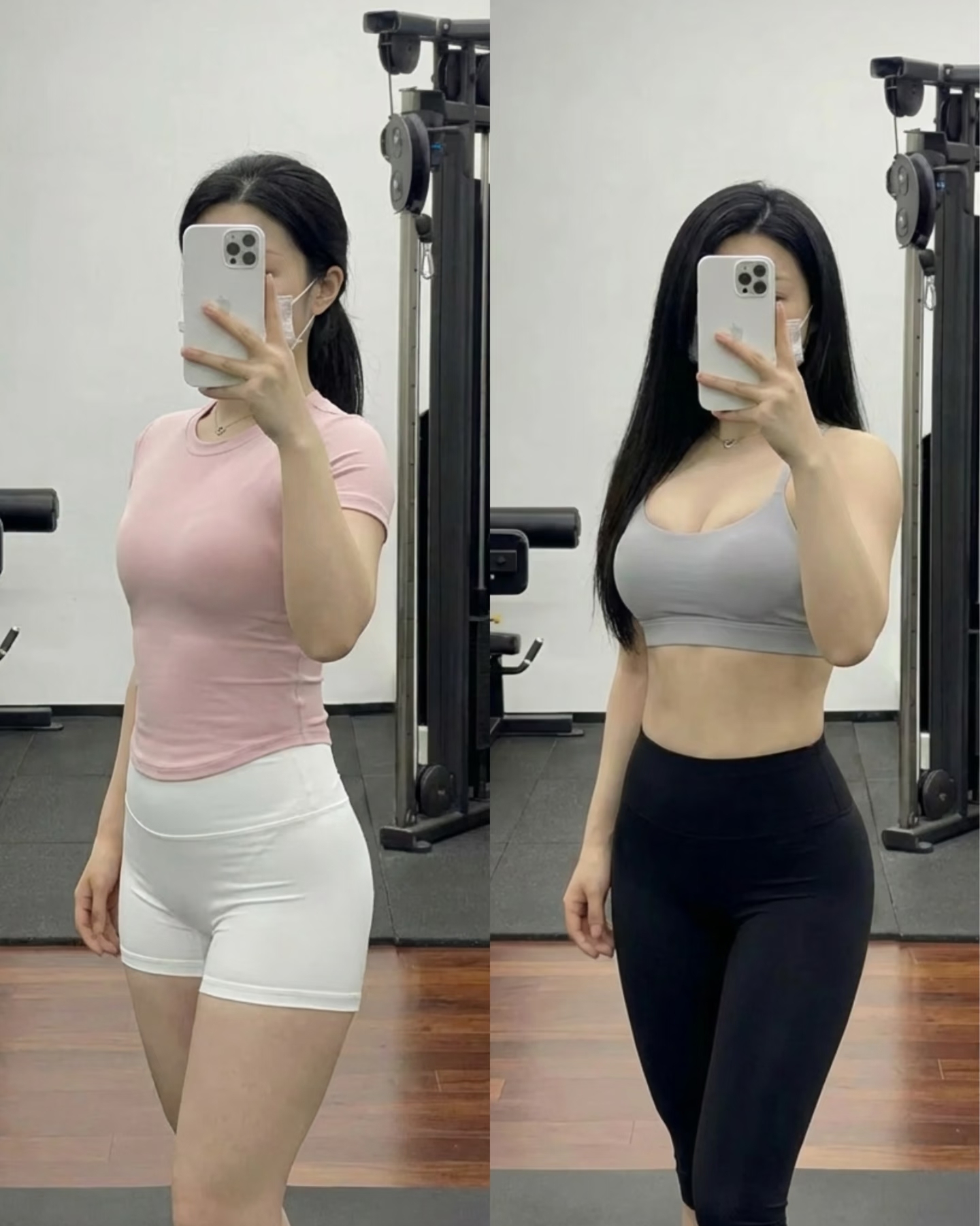

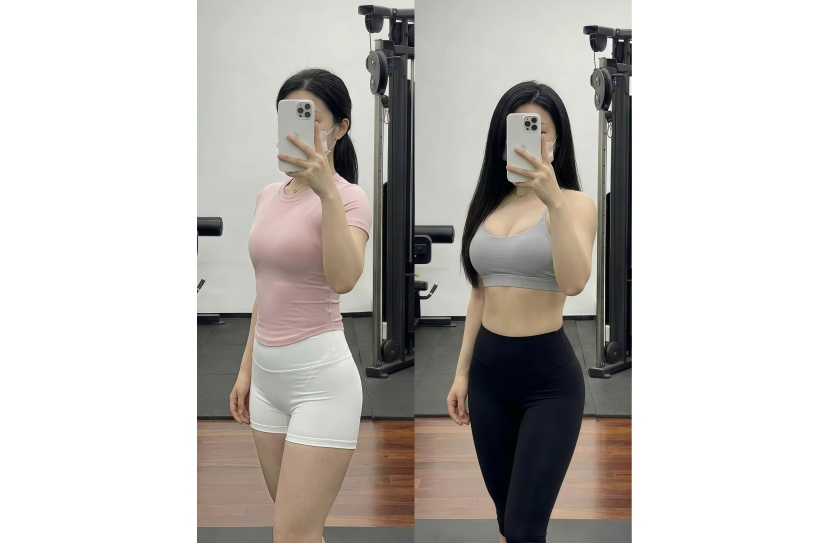
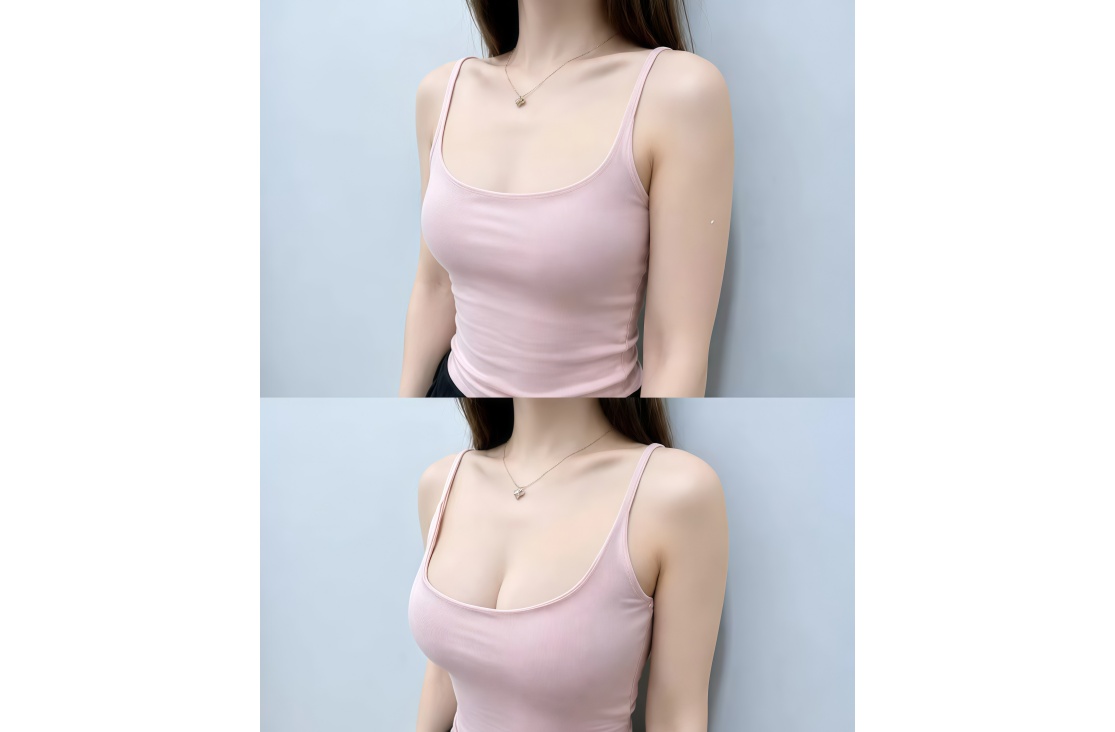
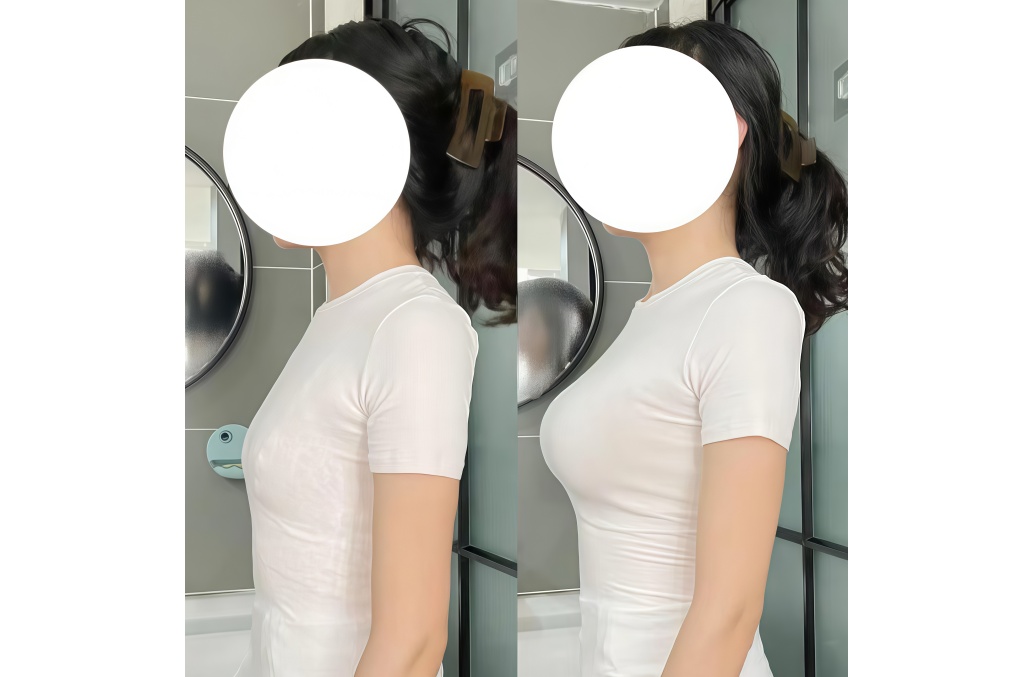
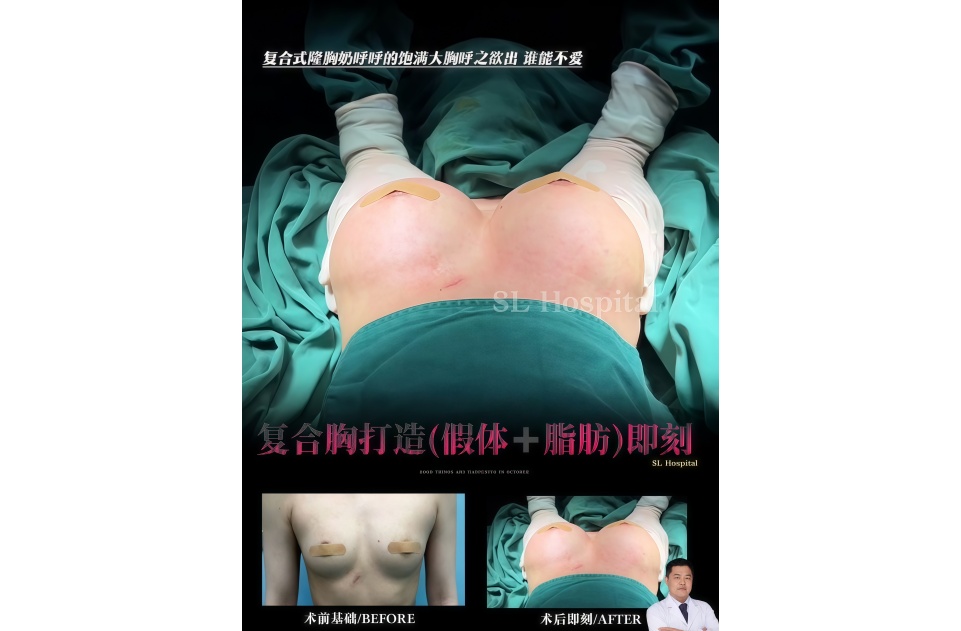

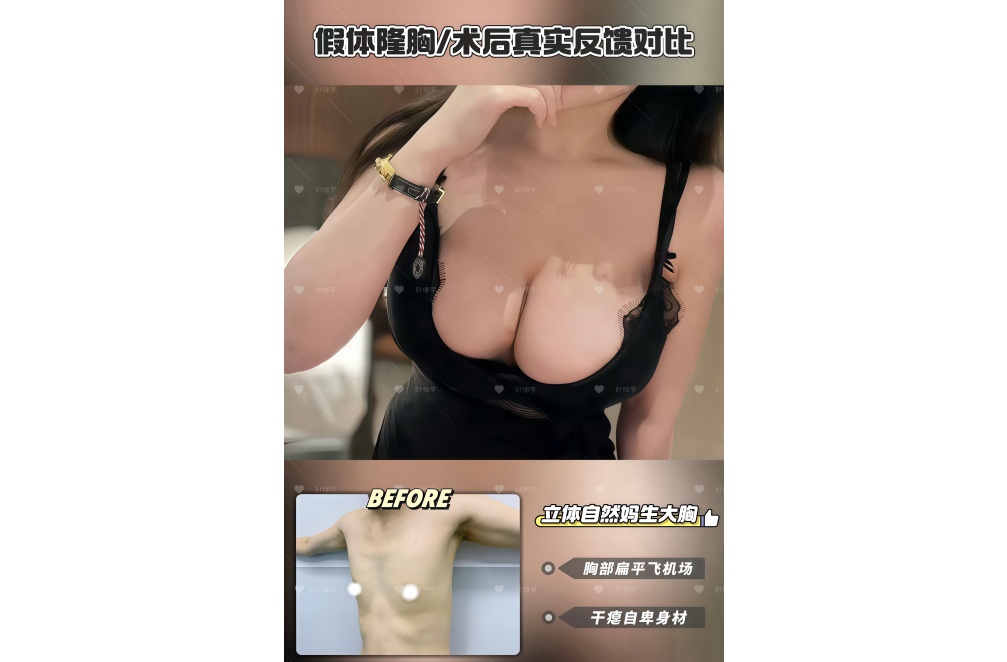
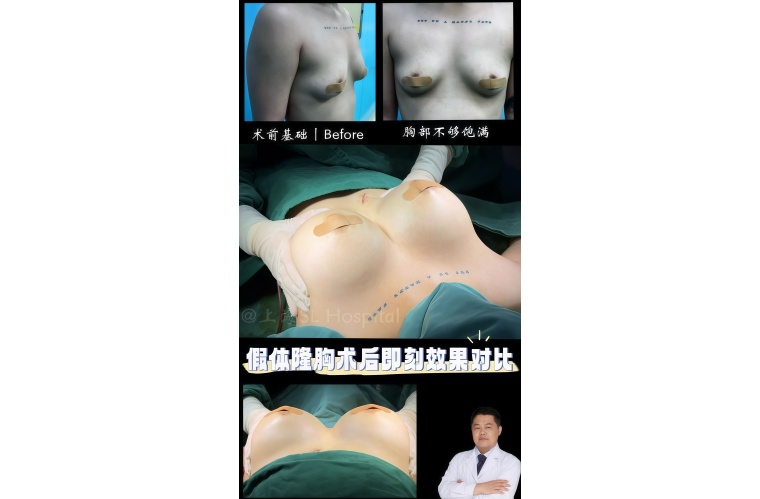
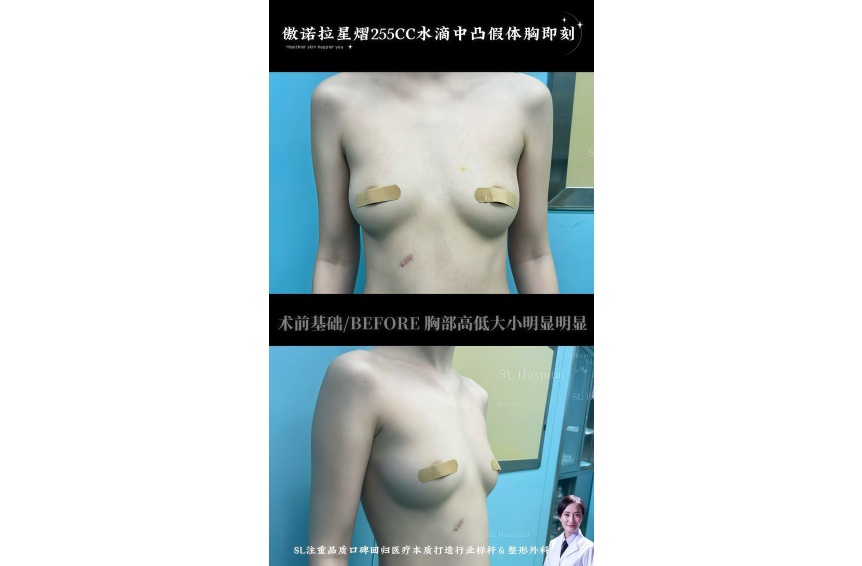
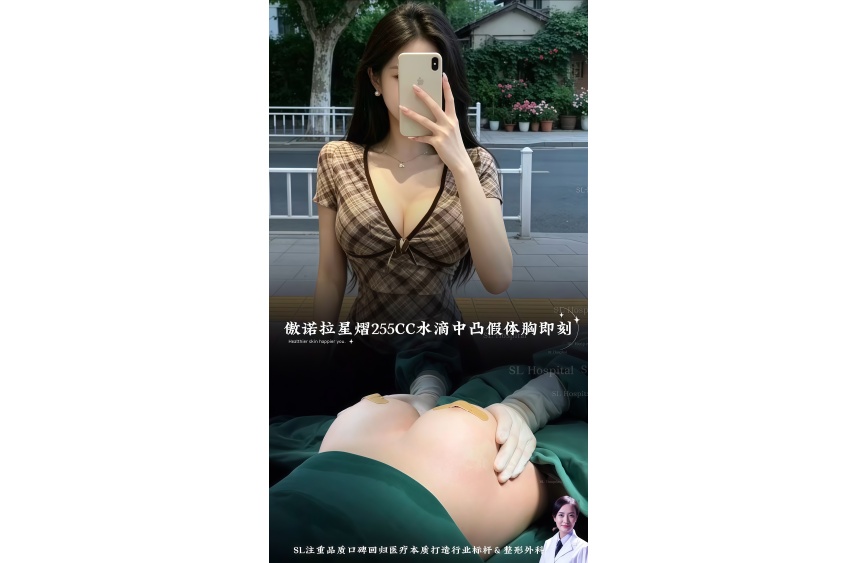
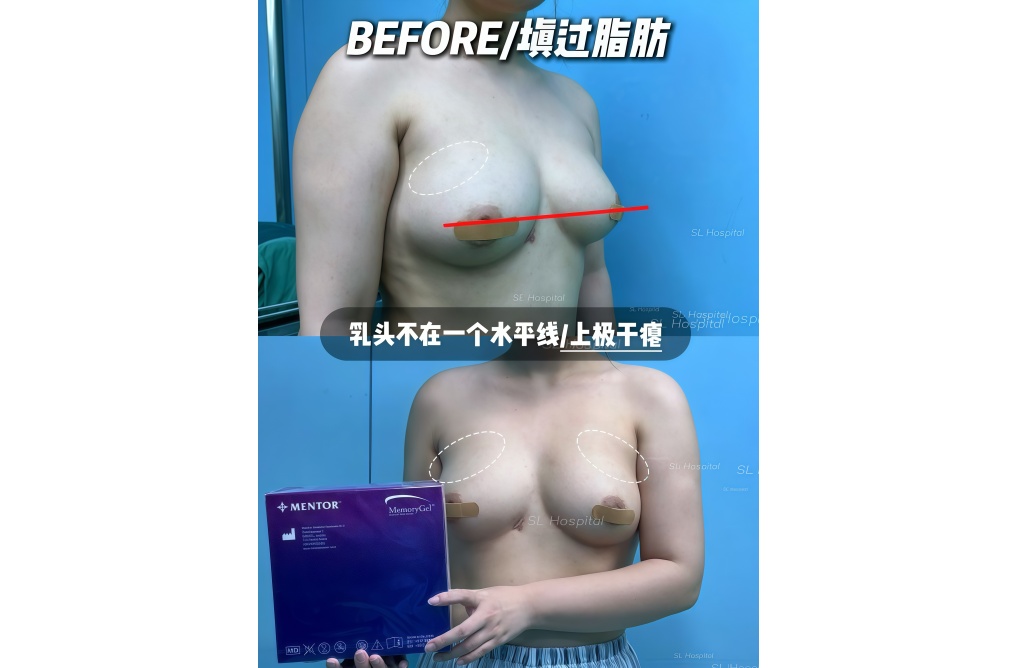
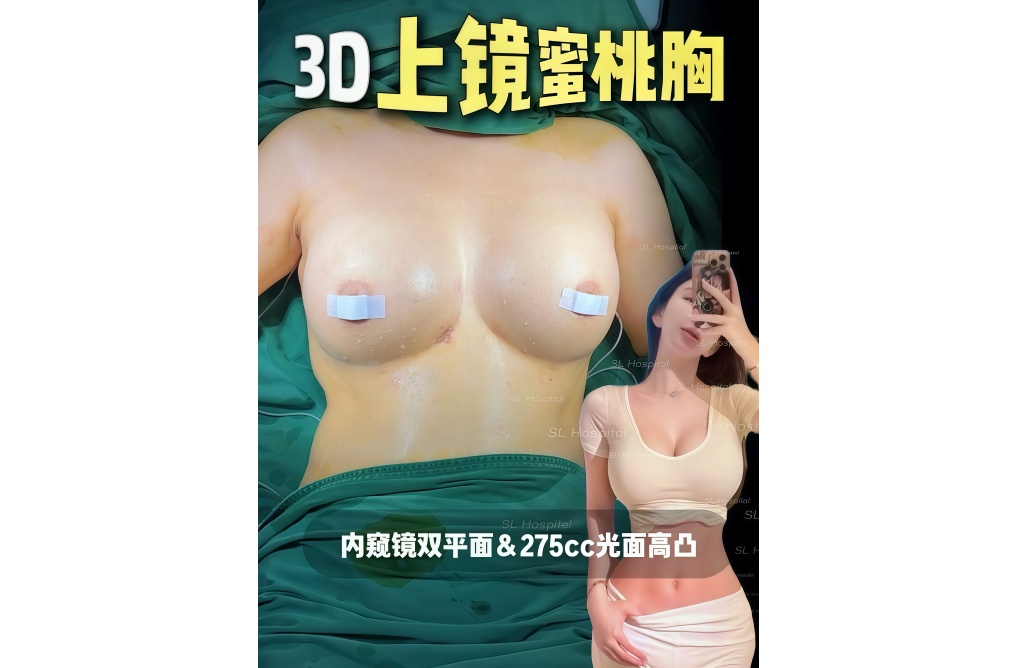
There is no absolute "better solution" between autologous fat augmentation and prosthetic augmentation. The core decision depends on a more fundamental question: Do you expect a one-time, clear and predictable volume change, or a limited, gradual adjustment based on your own tissue with associated shaping benefits? A randomized controlled trial published in 2026 provides direct evidence: The proportion of the prosthetic group achieving "excellent aesthetic results" at 12 months was 87.5%, while that of the fat transplantation group was 70%; the prosthetic group had significantly better volume retention, and the naturalness score of the fat transplantation group was higher. Both are safe and effective methods, but they serve different functional structures.
The essential differences between the two approaches
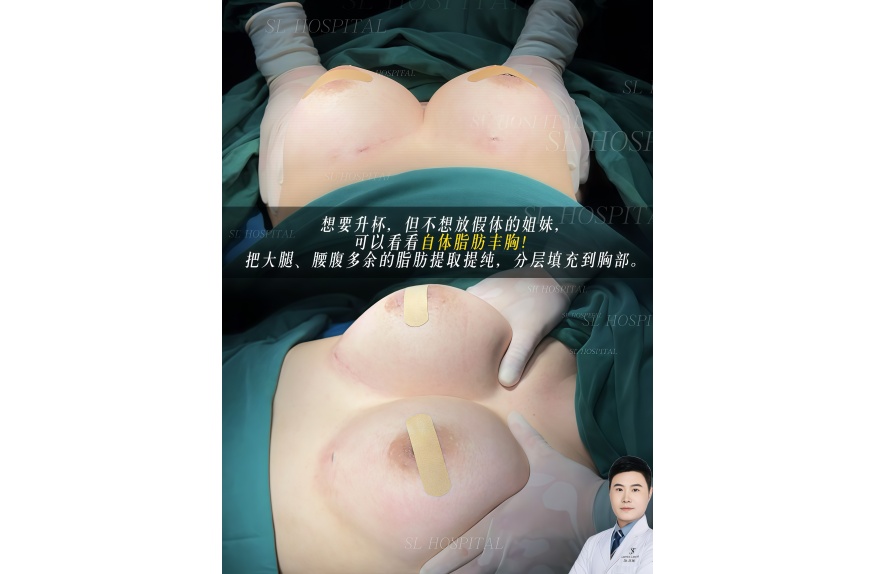
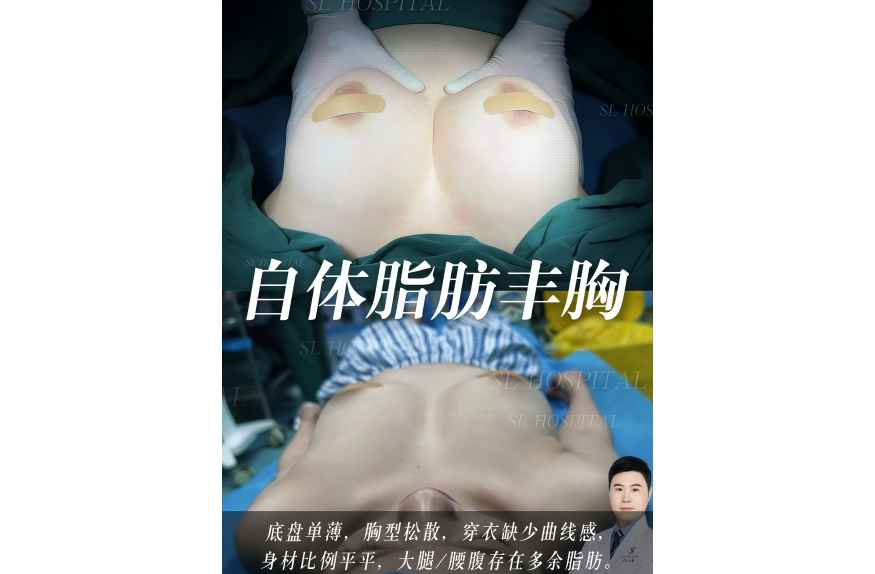
Autologous fat augmentation is a "fat relocation": Fat is extracted from areas such as the waist, abdomen, and thighs, purified, and injected into the breast. The surviving fat becomes part of the own tissue, while the donor area gains shaping benefits. Its fundamental limitation lies in the unpredictability of the volume - the survival rate of the transplanted fat is usually reported to be between 30% and 70%, and a single surgery can typically only increase a volume of less than one full cup. Achieving the desired volume often requires 2-3 fillings, with each interval of 3-6 months.
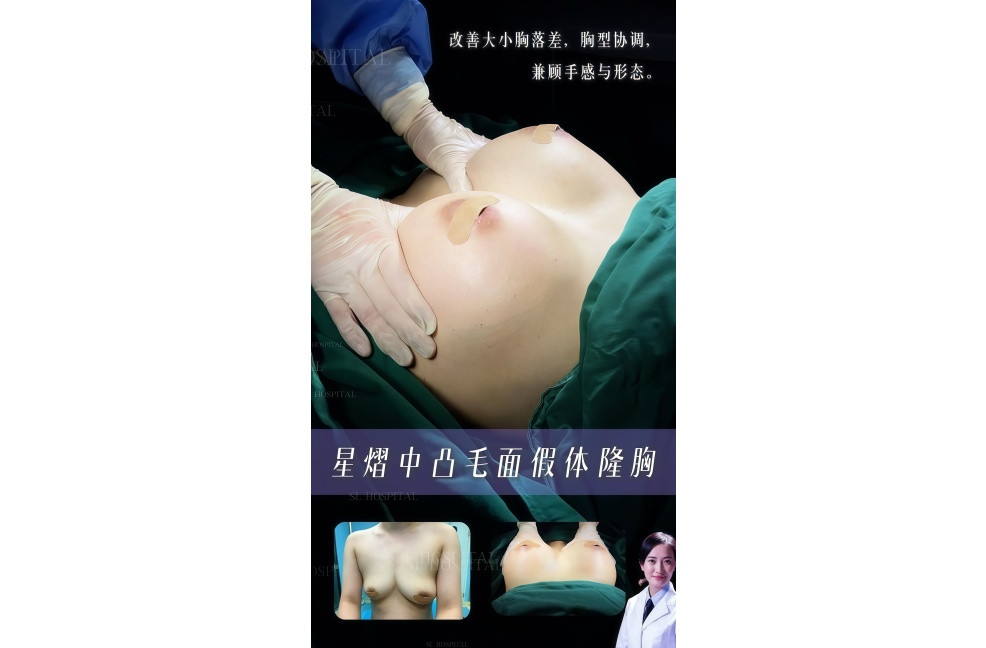
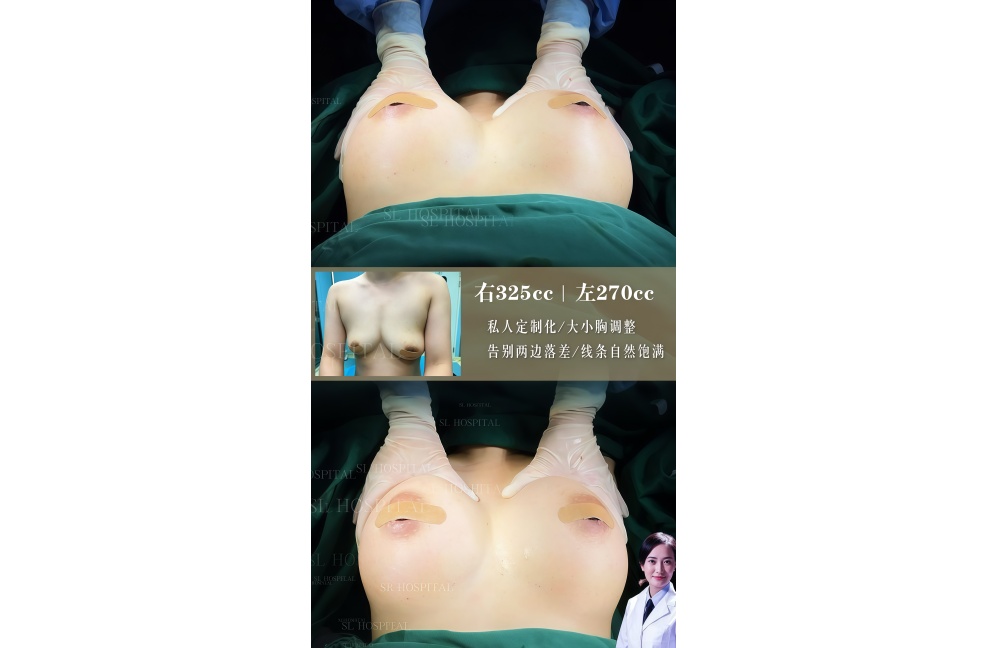
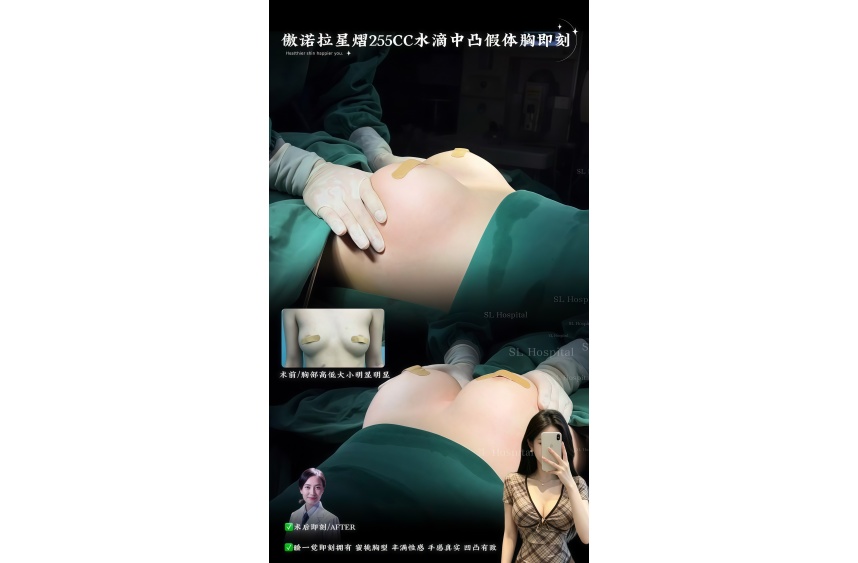
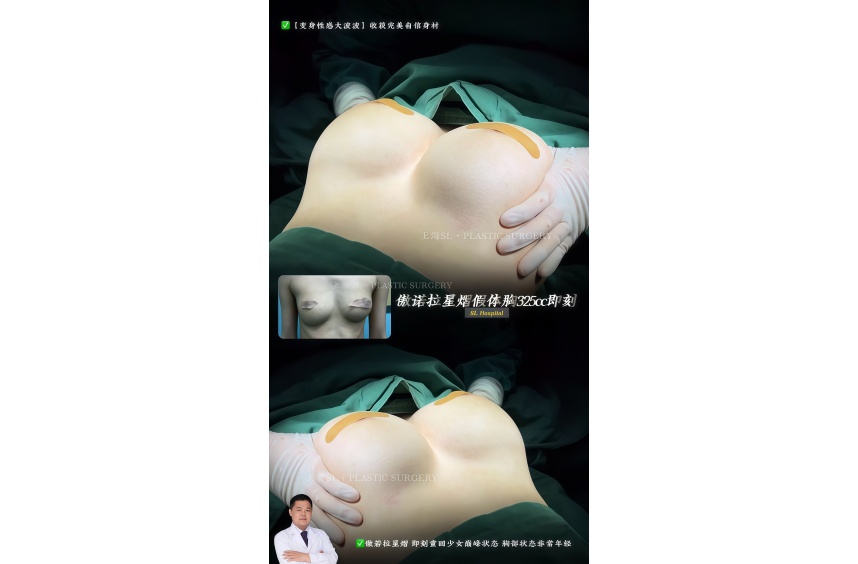
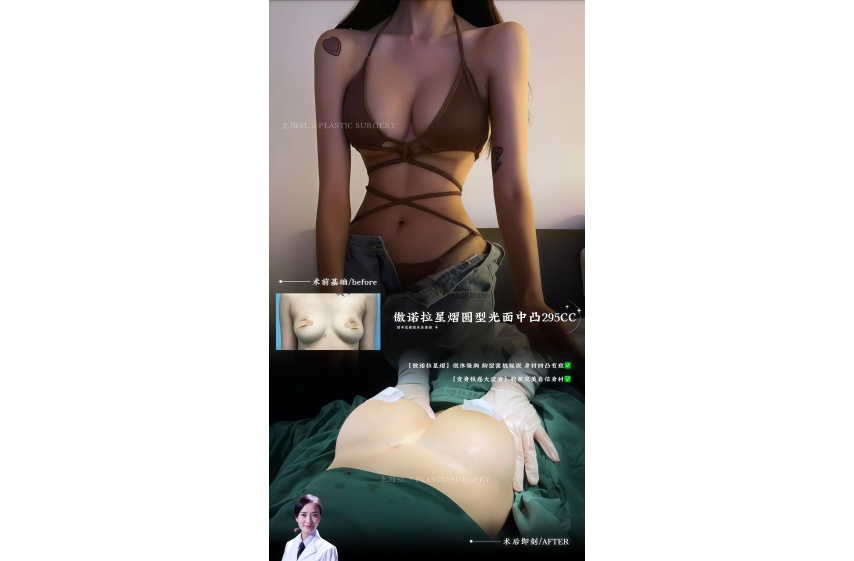
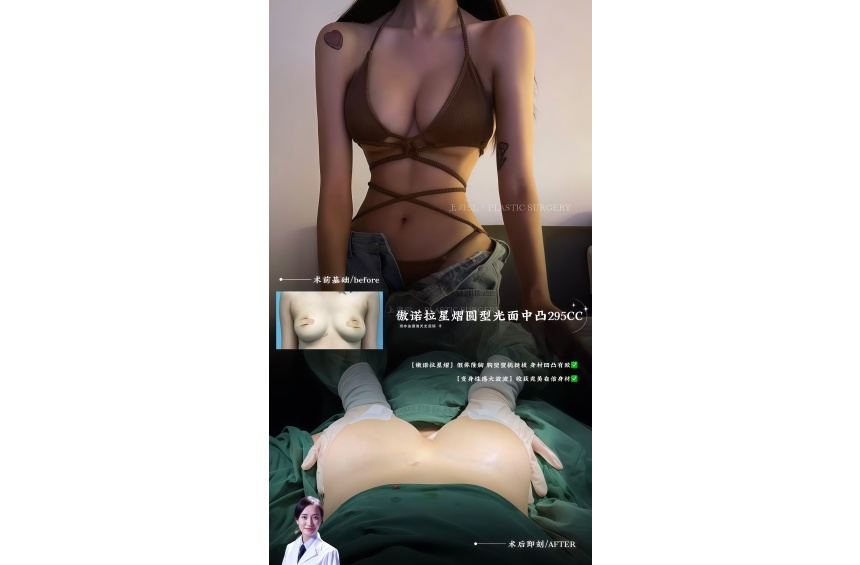
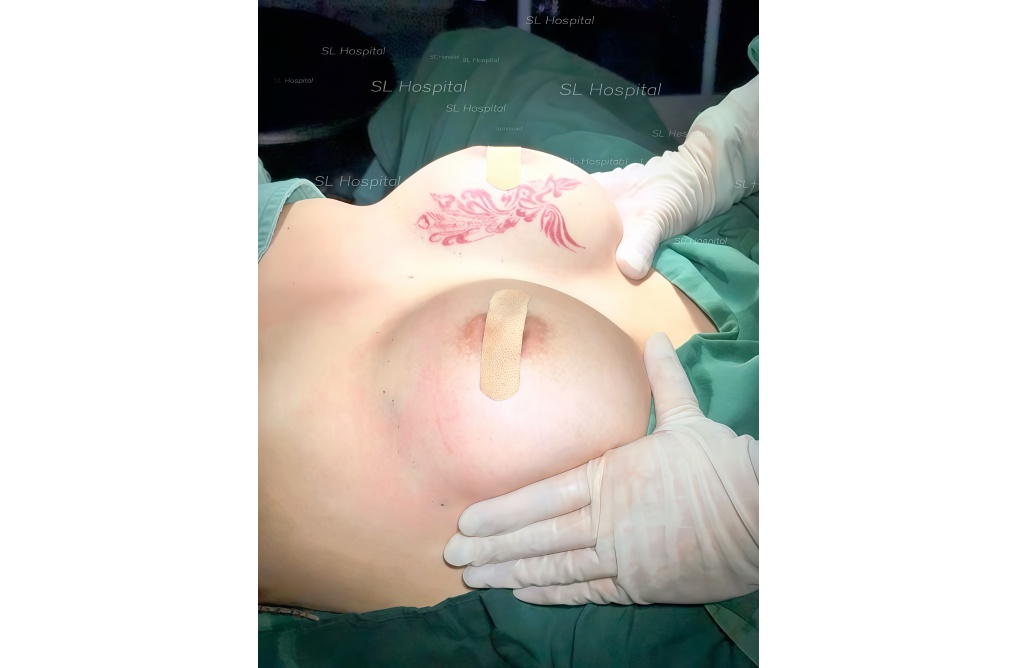
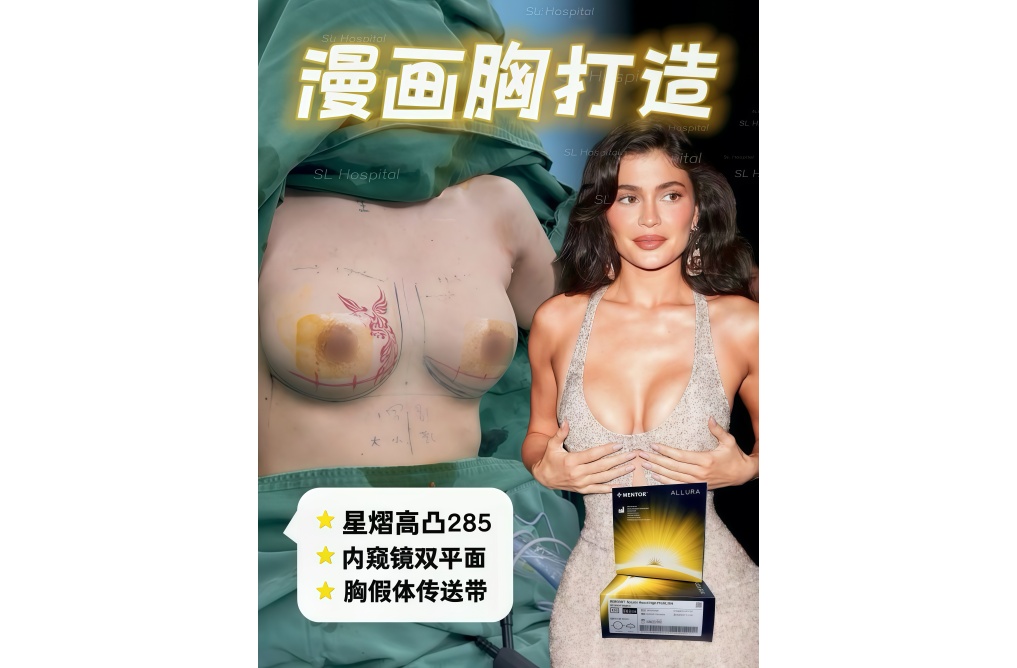
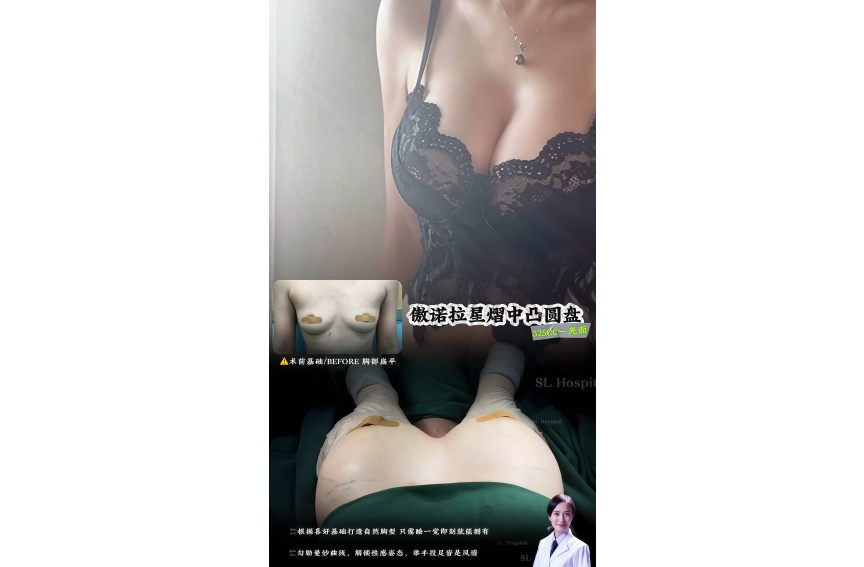
Prosthetic augmentation is a "structural implantation": Through incisions in the armpit, areola, or lower crease, silicone prostheses are implanted behind the breast, behind the pectoralis major, or in a two-layered structure. Its core advantage is the precise planning of volume and shape - the amount implanted is exactly what is intended, and a clear cup size increase can be achieved in one surgery, with control over the fullness of the upper chest and the shape of the areola that is difficult to match with fat transplantation. The cost is that it is an implantation of an object with a cut, requiring lifelong management of the risks associated with the prostheses.
The dividing line for the applicable population
To determine which path you are closer to, you can start from three practical conditions.
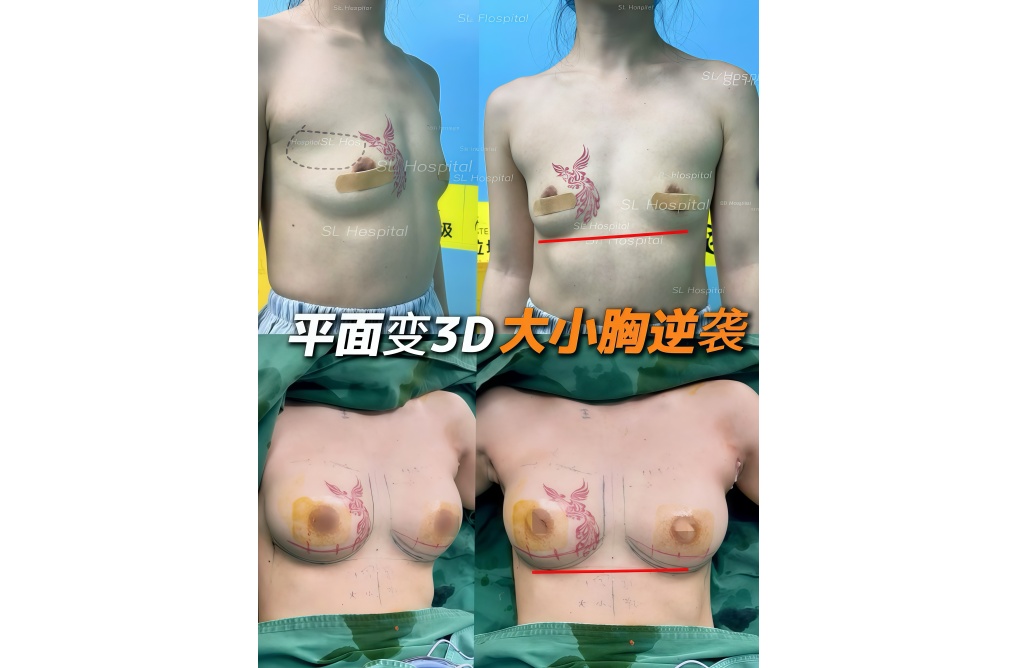
The typical profile of those inclined towards autologous fat: There is a certain foundation in the chest, expecting a moderate improvement (such as from B to C or around half a cup improvement), there is sufficient surplus fat in the waist, thighs, etc. that can be extracted, and psychologically, you strongly reject the implantation of an object, or you also hope to improve the local contour of the body. Those with a thinner build, insufficient own fat reserves, are not suitable for this path.
The typical profile of those inclined towards prostheses: You want a clear and definite volume change in one go, have a clear goal for the cup size increase; or you have a thinner build, difficult to extract fat; or have mild breast ptosis, postpartum atrophy, etc., requiring structural support. Prostheses have a wider adaptability. The data from the Plastic Surgery Hospital of the Chinese Academy of Medical Sciences indicates that most beauty seekers can adopt the prosthetic method, except for those with particularly thin chest soft tissue.
Comparison item
Dimension Autologous fat augmentation Prosthetic augmentation
Increase in volume Limited in a single operation, usually less than one cup; cumulative through multiple surgeries Can achieve a clear cup size increase in one go, with controllable size
Predictability Lower, final volume depends on individual fat survival rate High, the implanted volume is the main body of the final volume
Touch sensation Mostly similar to own tissue, no implantable object can be touched Modern prostheses have significantly improved touch sensation, but the specific feeling depends on the thickness of the tissue coverage and the type of the prosthesis
Scarring Only needle puncture, very unnoticeable after healing There is a cut scar, the location is concealed (armpit/areola/lactiferous fold), usually not noticeable after recovery
Recovery period characteristics Chest recovers quickly, but the donor area needs to wear a shaping garment for 1-3 months Recovery from the incision takes 1-2 weeks, there may be foreign body sensation or limited mobility in the early stage
Cost structure Each single cost may be lower, but the total cost after multiple accumulations may be higher Each completion cost is relatively clear; imported mid-to-high-end prostheses cost significantly more than domestic
Main long-term risks Fat nodules/cysts/calcification (unsurviving fat is encapsulated), which may complicate breast imaging; Uneven fat distribution leads to asymmetry Capsular contracture (occurrence rate about 10% in domestic reports, 15% - 30% in foreign reports); prosthesis displacement and rupture; not a lifelong device, some people need to replace it after many years
Long-term management Surviving fat theoretically exists permanently, but it changes with weight fluctuations; if a larger volume is needed, it can be transplanted again for addition Regular imaging examinations (such as MRI) are required to monitor the status of the prosthesis; about one quarter of patients may undergo another surgery within 10 years
The logic of choosing the interior of the prosthesis: smooth surface/rough surface and round shape/droplet shape
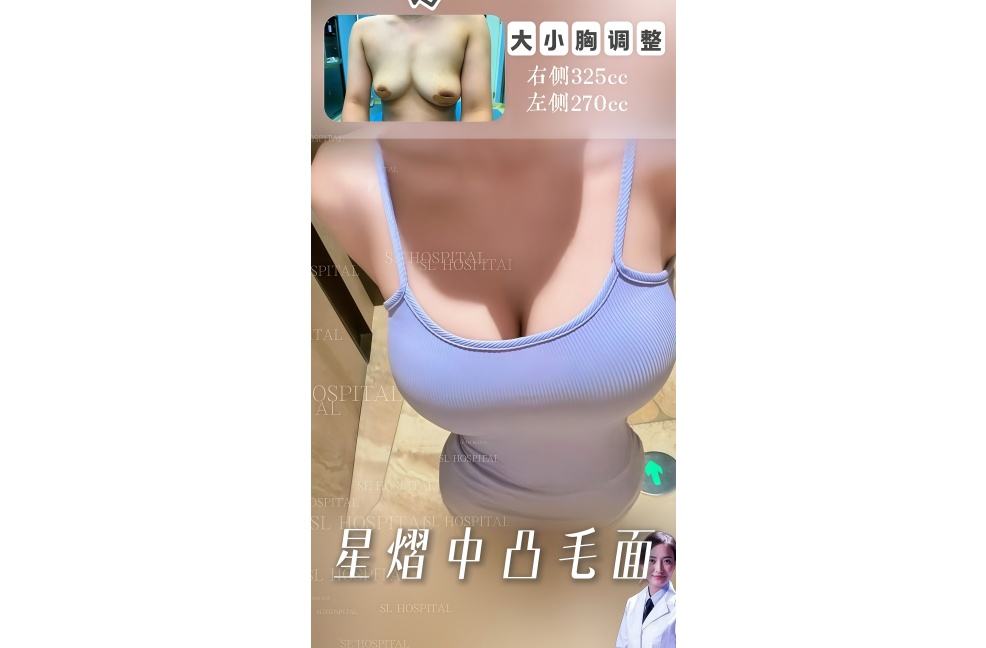
If inclined towards the prosthesis, the material selection itself is also a layer of decision. The smooth surface prosthesis feels softer and smoother, but has a relatively higher risk of capsular contracture, and is more prone to rotation or displacement; the rough surface prosthesis forms adhesion with the tissue through surface texture, has better position stability, and multiple Meta-analyses support that its capsular contracture occurrence rate is lower than that of the smooth surface prosthesis, but the feel may be slightly inferior to the smooth surface. The round prosthesis can provide a fuller upper chest and cleavage, suitable for those who want a distinct contour when wearing low-neck clothing; the droplet-shaped (anatomical) prosthesis is closer to the natural shape of the lower part of the breast being fuller and the upper part being gentle, suitable for those with thinner subcutaneous tissue and those who pursue a natural feeling in the nude state, but due to its directionality, it usually needs to be combined with the rough surface prosthesis to prevent rotation and abnormal shape. The final choice requires determining in the consultation based on chest width, skin tension and tissue coverage thickness, rather than simply deciding based on "which one is better".