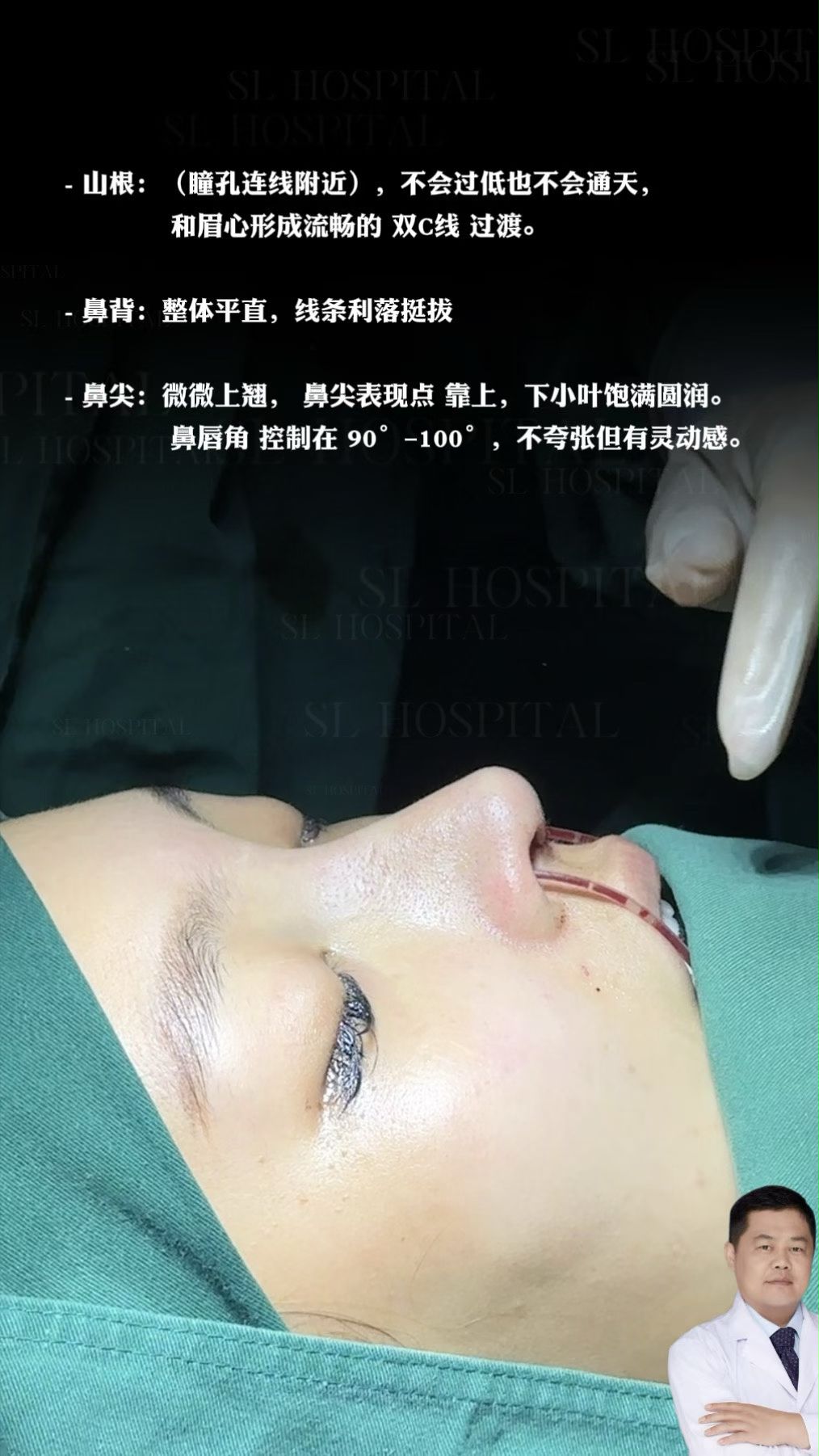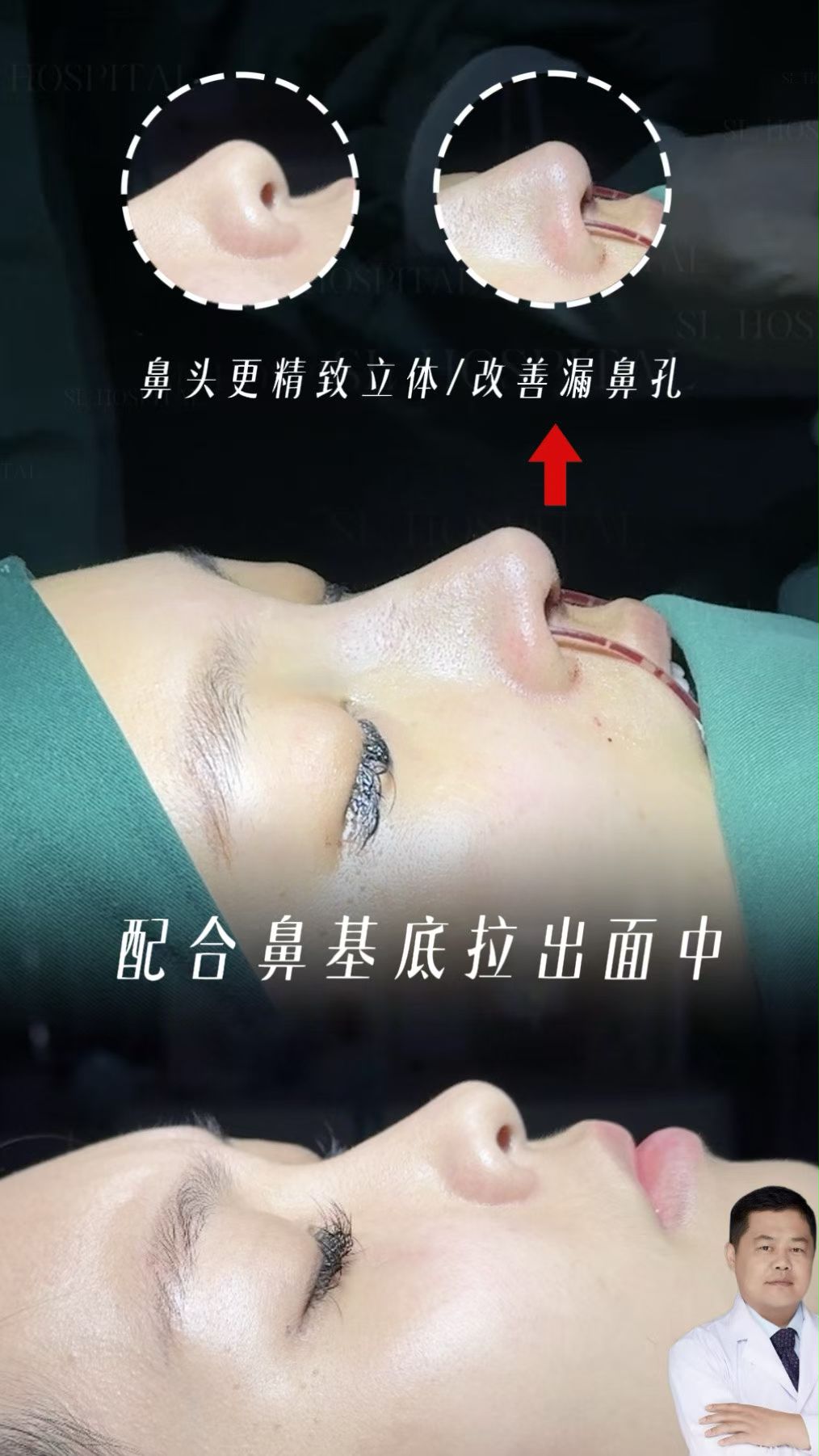





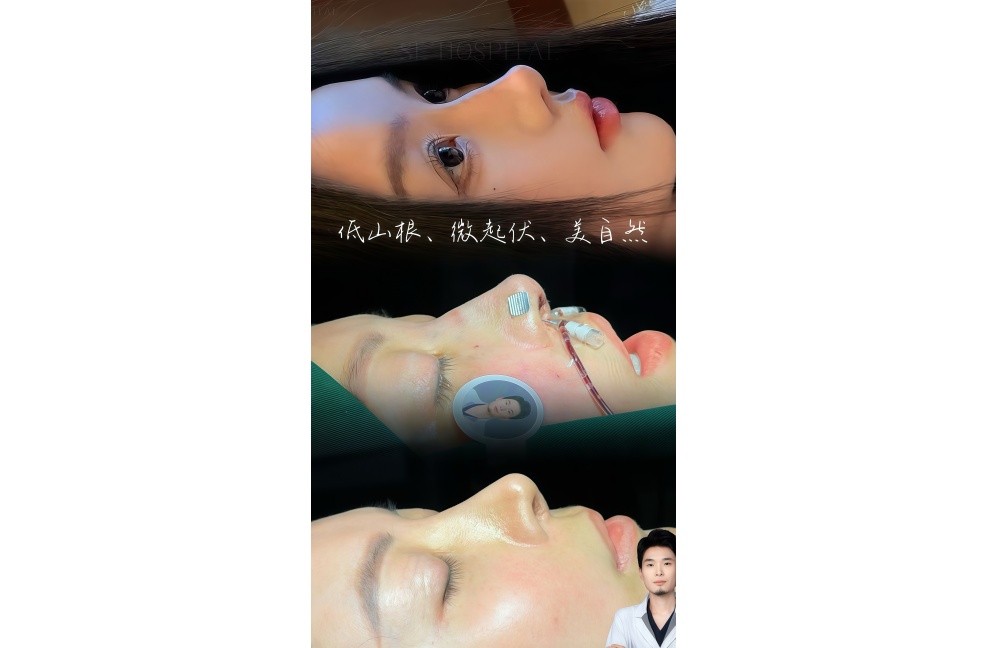
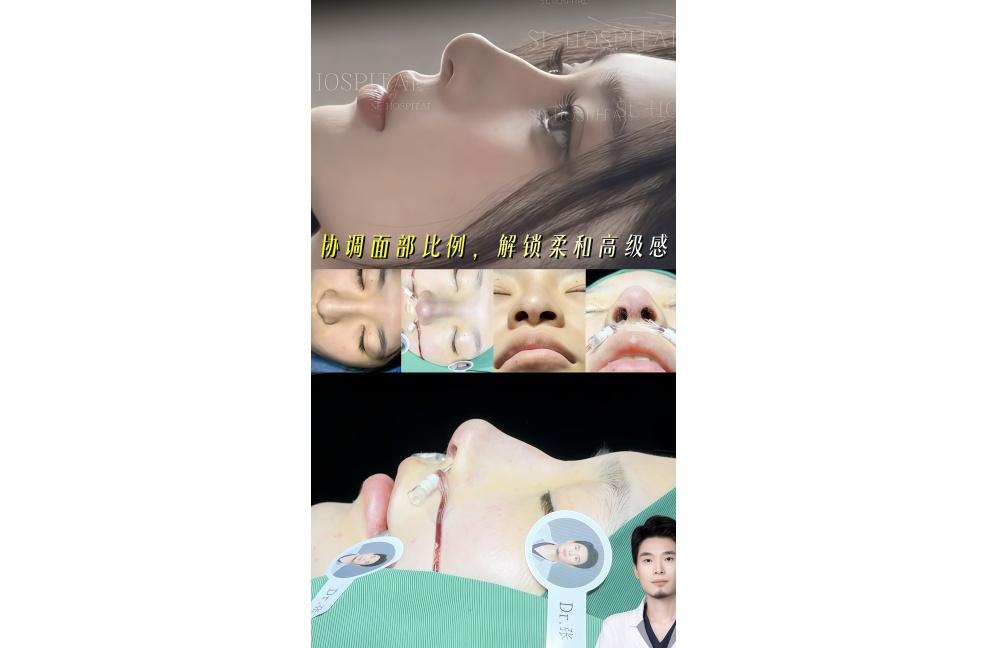
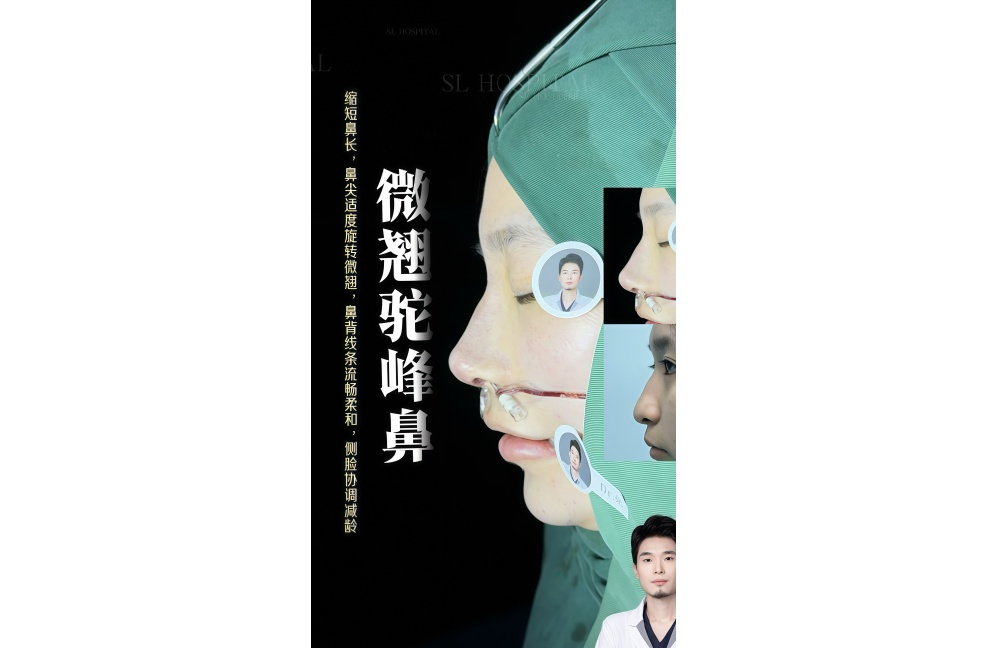
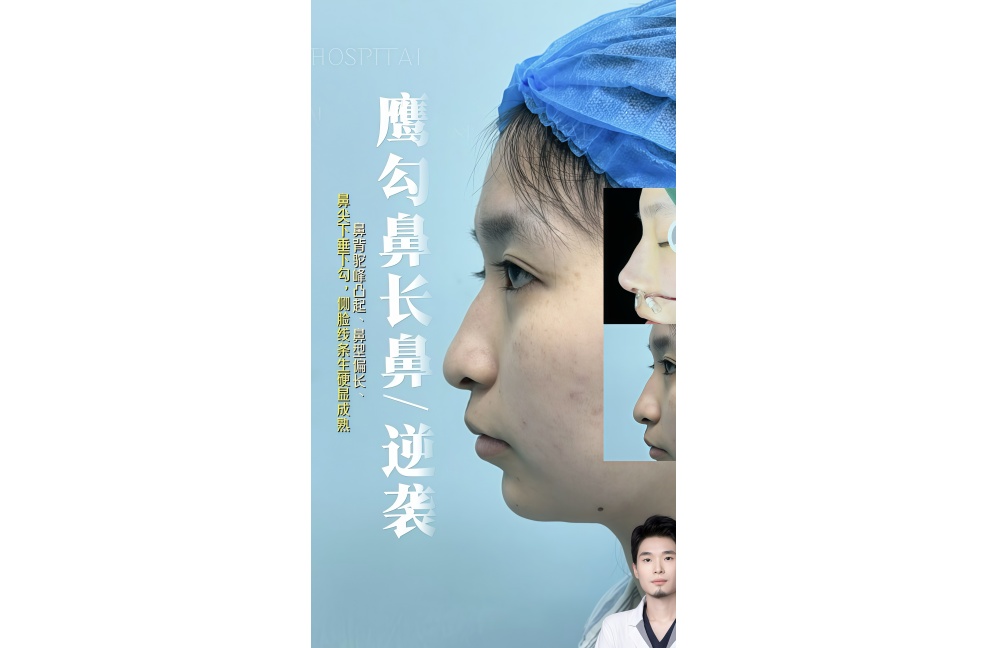




Surgical objective: Beyond just aesthetics
The indications for rhinoplasty clearly cover two main types of issues:
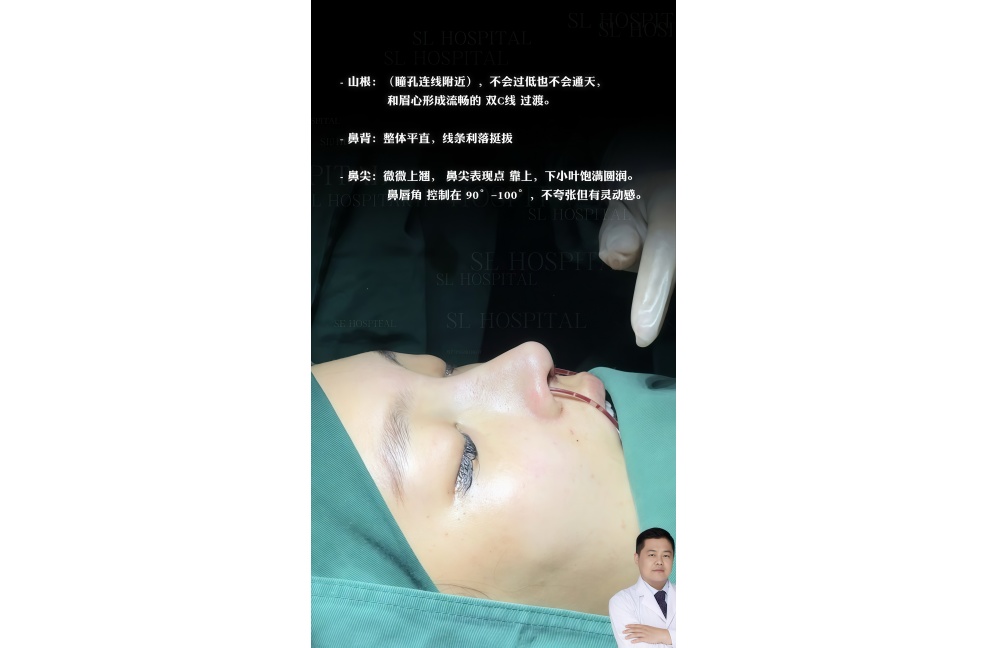
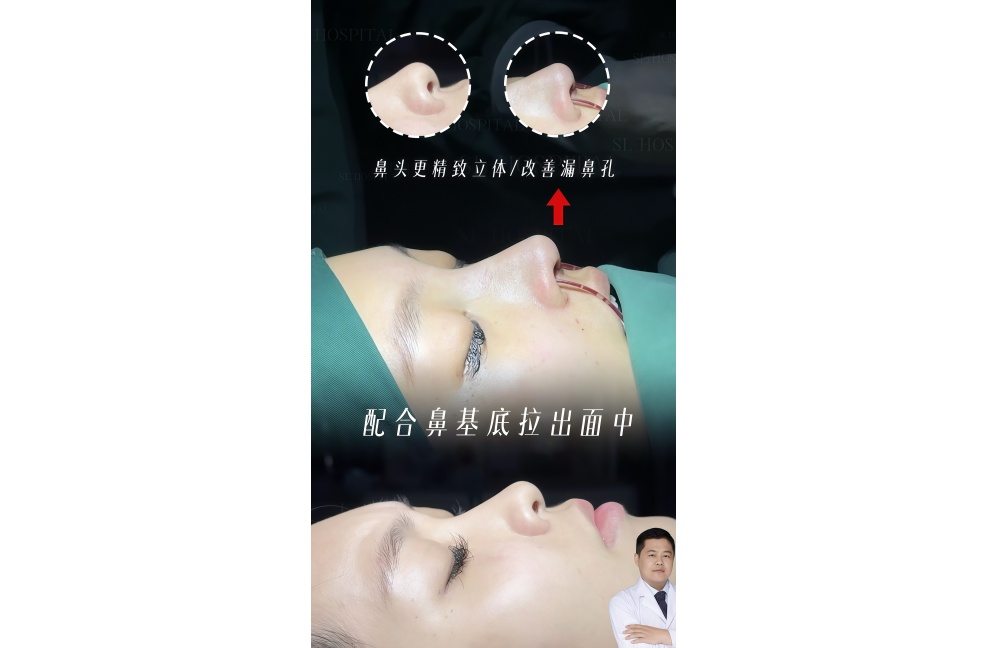
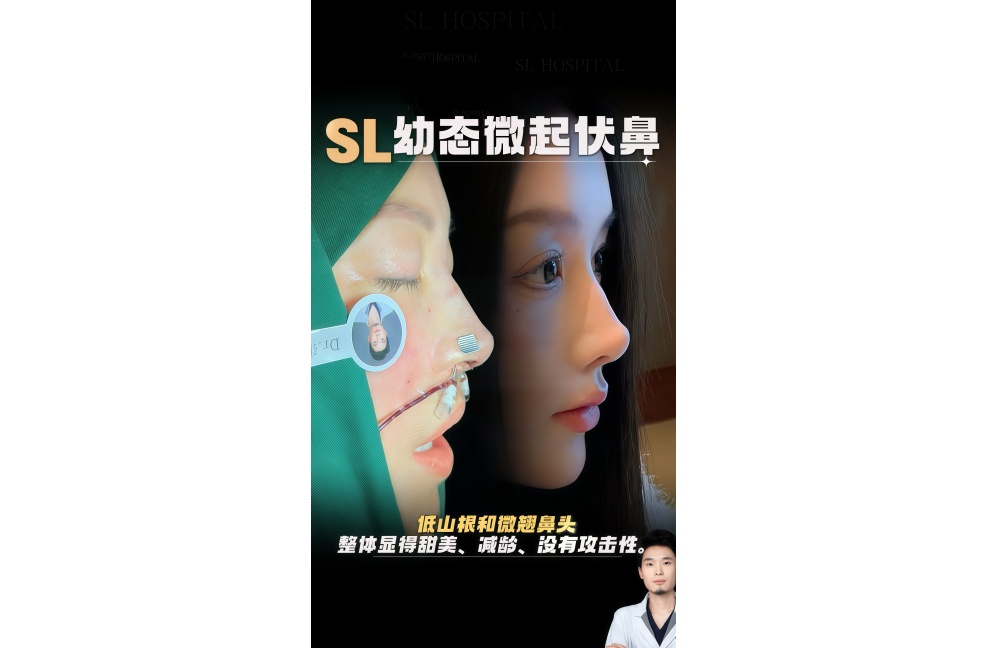
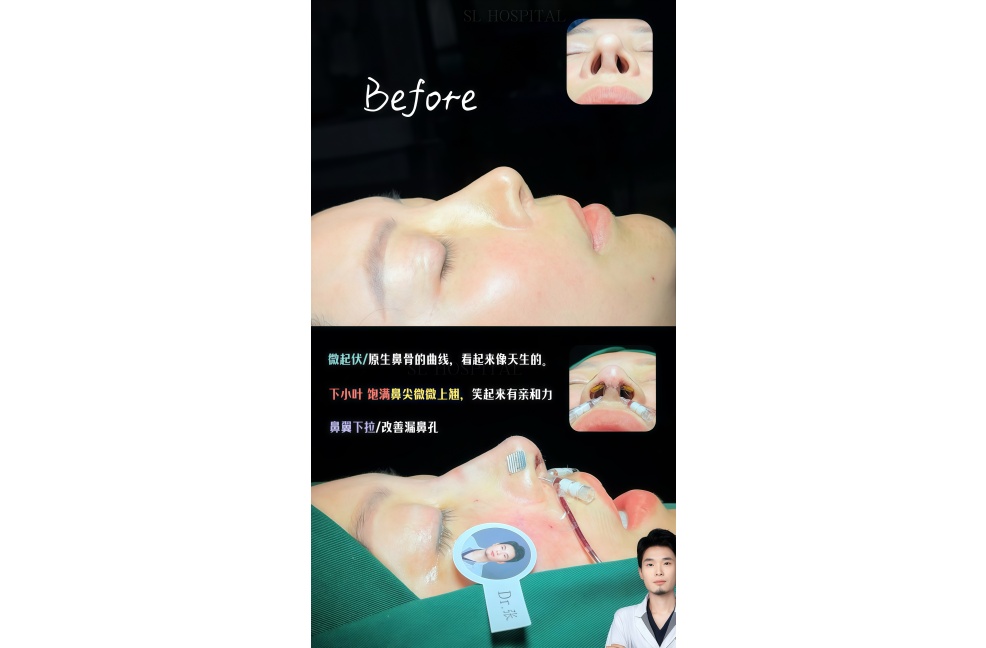
Aesthetic demands: To improve the shape of the nose, such as a low-lying nasal bridge, a round and blunt nasal tip, wide nasal wings, or asymmetry of the nose, to make it more harmonious with the overall facial proportions.
Functional problems: To correct structural abnormalities that cause nasal congestion or breathing difficulties. The most common ones are nasal septum deviation or nasal bone fractures due to trauma.
It should be noted that the surgery should be performed after the nose has fully matured in development. Generally, it is recommended that females be 15 to 16 years old and males be 17 to 18 years old.
? Main materials and surgical methods: There is no "best", only "more suitable"
The selection of materials for rhinoplasty is the core of the decision-making process, mainly divided into artificial materials and autologous tissues, each with its own clear advantages and disadvantages.
Silicone implants
Core features and advantages: The longest usage history, convenient carving, relatively affordable price, and if postoperative adjustments or removal are needed, the operation is also relatively straightforward.
Main limitations and risks: The texture is relatively hard, and for those with thinner skin, there may be transparency or contour sensation. There may be a risk of displacement over the long term. A large sample study on silicone rhinoplasty in Asian populations showed that the overall complication rate was 16%, with an infection rate of 5.3% and a prosthesis extrusion rate of 2.8%.
EPTFE (expanded polytetrafluoroethylene)
Core features and advantages: It has a microporous structure, allowing autologous tissue to grow into it, thus having good fixation and less risk of displacement. The postoperative touch is more natural, and it hardly transmits light.
Main limitations and risks: The microporous structure theoretically has a slightly higher infection risk than silicone, and if an infection occurs, it is more difficult to remove, requiring extremely strict aseptic requirements for the surgical environment.
Autologous cartilage (ear/nasal septum/rib)
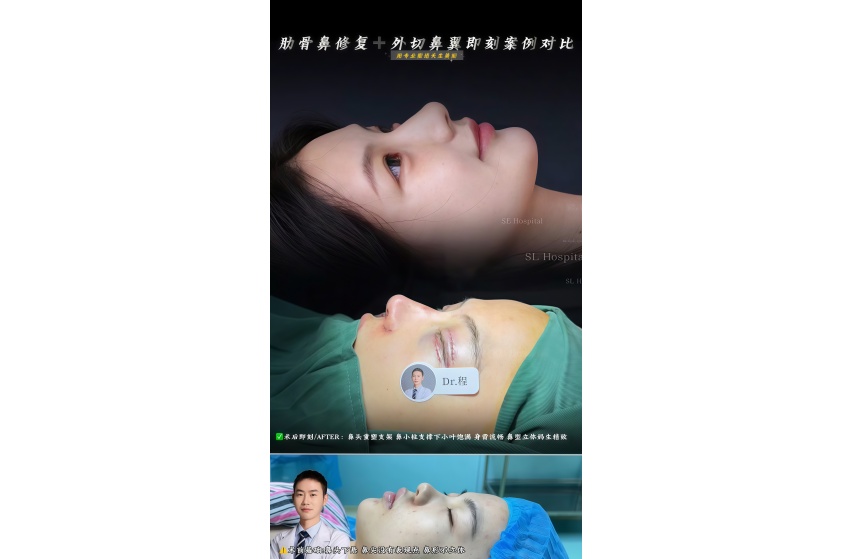
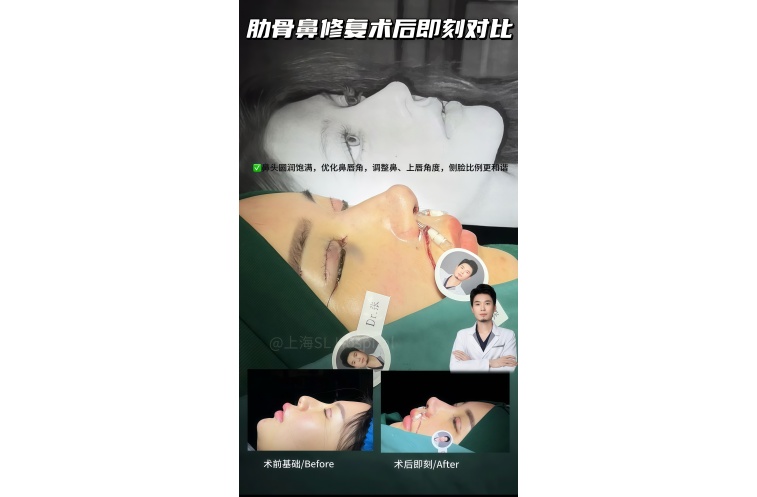
Core features and advantages: It comes from the body, has no rejection reaction, and integrates with the nasal tissue, providing the most natural touch. Ear cartilage is soft and suitable for fine shaping of the nasal tip; rib cartilage has strong support and sufficient volume, suitable for severe nasal collapse or repair surgeries.
Main limitations and risks: An additional incision needs to be made in the donor area (behind the ear or the chest), and there is a recovery period and scar at the site of the incision. Rib cartilage may have a 5%-10% absorption rate, and the postoperative chest pain is more obvious.
Injection materials (hyaluronic acid)
Core features and advantages: No incision required, quick recovery, suitable for those who want a low-cost, low-risk experience or mild improvement.
Main limitations and risks: The effect is temporary, lasting about 6-12 months, and regular re-injection is required. Multiple injections may cause the nose to become wider at the back. It is necessary to be vigilant that injecting unknown substances in non-regular places may lead to severe vascular embolism, such as blindness, if it enters the blood vessels.
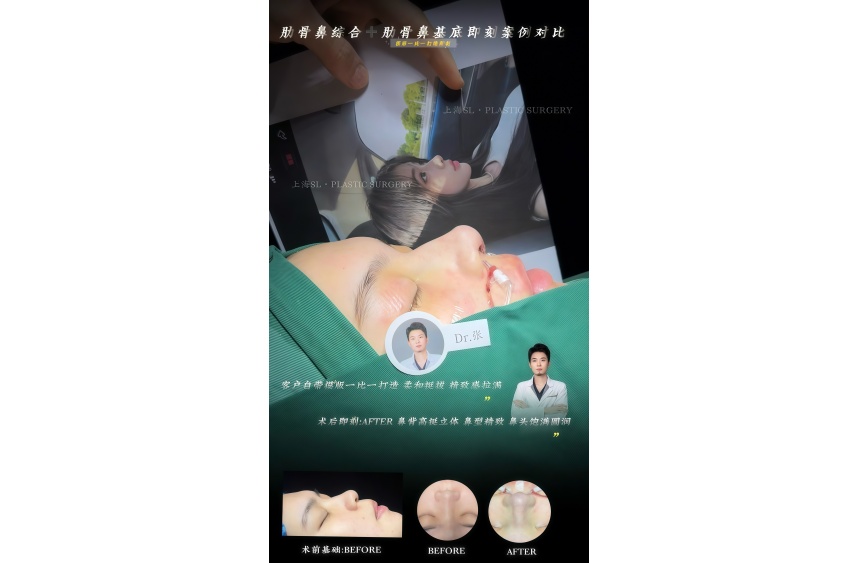
In clinical practice, doctors often combine the use of different materials, such as using EPTFE or silicone to raise the nasal bridge, and using ear cartilage or nasal septum cartilage to strengthen and finely shape the nasal tip, which is called a "rhinoplasty combination" surgery.
⏱️ Recovery timeline: Patience is part of the effect
The recovery of rhinoplasty is a gradual process, and the final shape stability requires a considerable amount of time, especially when it comes to the adjustment of nasal tip cartilage.
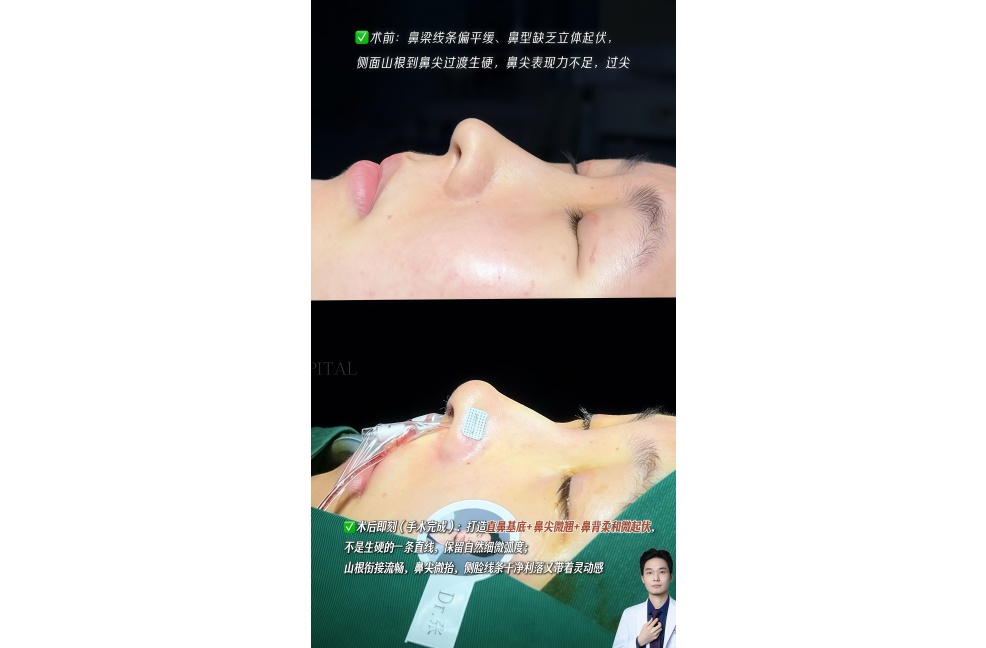
0-3 days after surgery (peak swelling): The swelling in the nose and around the eyes is the most obvious, and there may be bruises. At this time, the nose bridge may appear higher, and the nose tip may be larger, which are all normal tissue reactions. The main care is cold compress and resting with the head elevated.
1 week or so (suture removal period): Usually, the stitches are removed 5-7 days after surgery. The bruises start to fade, but the appearance of the nose is not yet natural, and the touch of the nose tip is still hard. You can resume non-physical work, but strict avoidance of collision and wearing frame glasses is required.
2 weeks - 1 month (continuous swelling reduction): Most of the swelling subsides, and the shape gradually approaches the "visible person" state. But at this time, the nose may feel "higher" or "wider", which is an illusion caused by residual swelling and should not be used as the final effect judgment basis.
1-3 months after surgery (shape manifestation): The nasal bridge lines become smooth, and the nose tip starts to soften. If it is a rhinoplasty combination surgery, the swelling and softening of the nose tip may take longer.
6 months - 1 year after surgery (final stabilization): After the soft tissues of the nose have fully softened and the scars have stabilized, the size and curvature of the nose tip and the nasal bridge arc will be basically determined, approaching the final effect.
⚠️ Core risks and signals to be vigilant about
In addition to all the common risks of surgery, such as infection, bleeding, anesthesia risks, and scarring, rhinoplasty has its specific risks.
The skin characteristics of the Asian population make them more prone to postoperative pigmentation, scar hyperplasia, and prolonged edema. When using prostheses, in addition to the aforementioned risks of infection and extrusion, attention should also be paid to capsular contracture (which may cause the tip of the nose to protrude and the nasal bridge to deform), prosthesis opacity, and displacement. When using autologous cartilage, there is a possibility of graft absorption, deformation, or discomfort in the donor area.
The following situations are considered surgical contraindications or require extremely cautious assessment:
Active infection in the nasal area (such as boils, folliculitis).
Coagulation disorders or those on anticoagulant medication.
Scarring-prone constitution.
Uncontrolled severe systemic diseases (such as diabetes, hypertension).
Unrealistic psychological expectations or unstable mental and psychological conditions.
If there is persistent and severe pain, high fever, red and hot nasal skin with expanding area, pus discharge from the wound, or sudden obvious deviation of the nose after surgery, it suggests possible infection, hematoma, or prosthesis problems. In such cases, contact the surgeon immediately for a follow-up visit instead of self-treatment.
? Summary
Nasal plastic surgery is a highly personalized surgical procedure. The selection of materials requires a balance to be struck among factors such as the naturalness of the effect, its durability, the complexity of the surgery, and risk tolerance. Its success not only depends on the doctor's skills but also heavily relies on thorough preoperative communication, setting reasonable expectations, and patience during the long recovery period. If considering the surgery, choosing a reputable medical institution and experienced doctors, and completing necessary preoperative evaluations (such as nasal CT scans), are the first steps to ensure safety and effectiveness.