








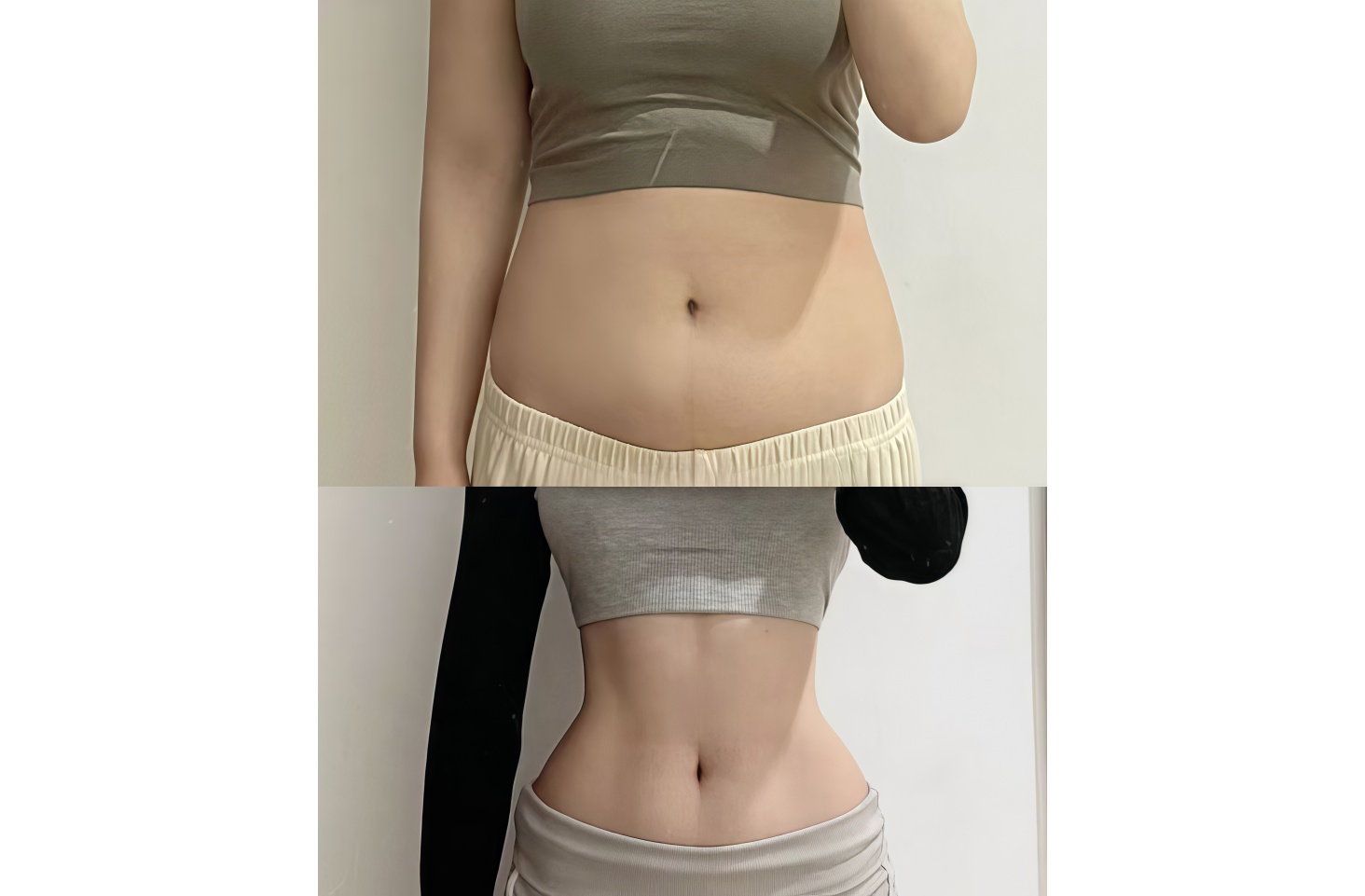
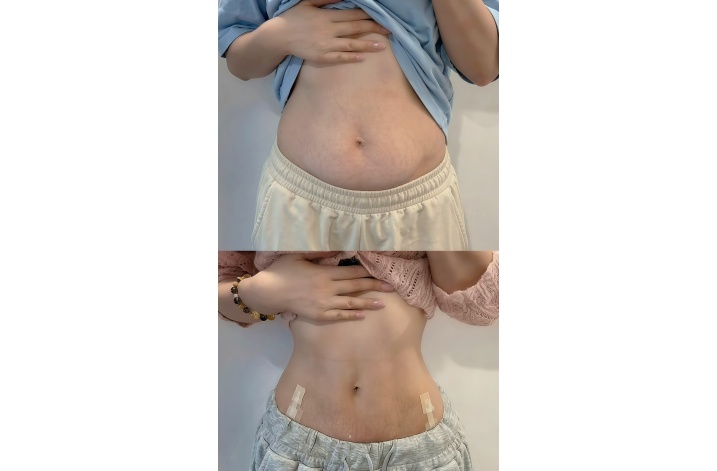
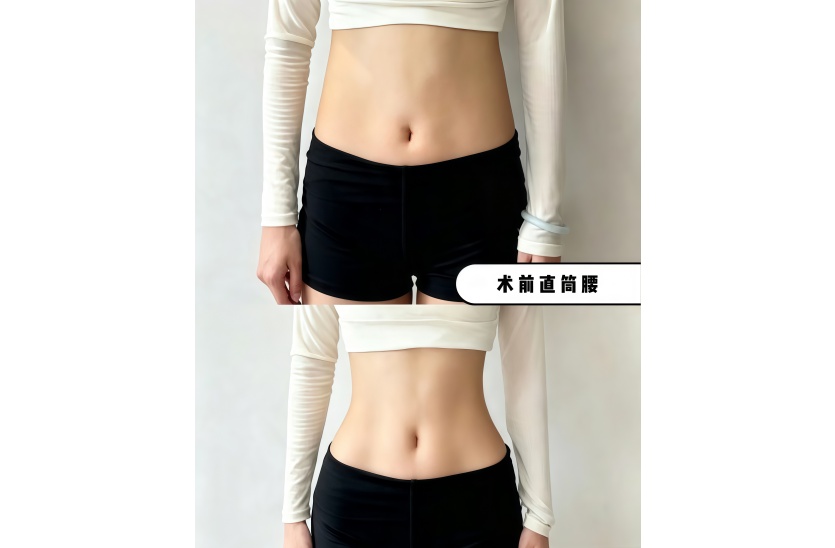
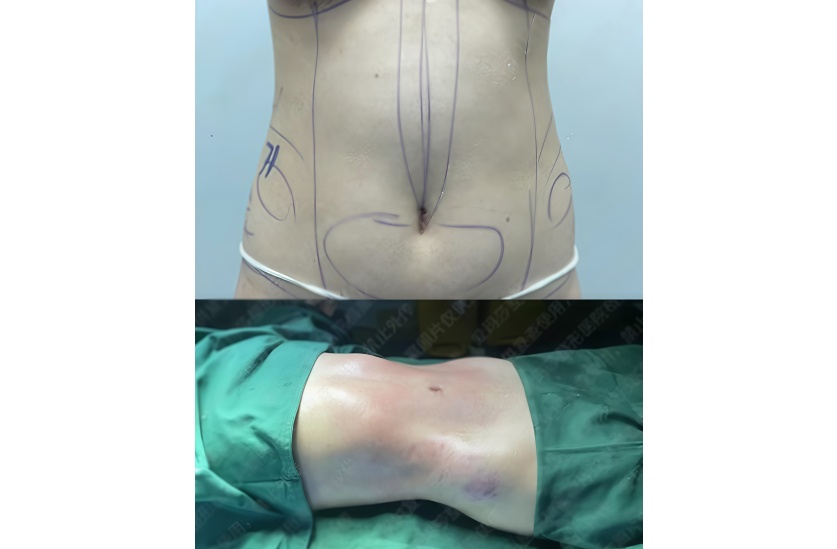
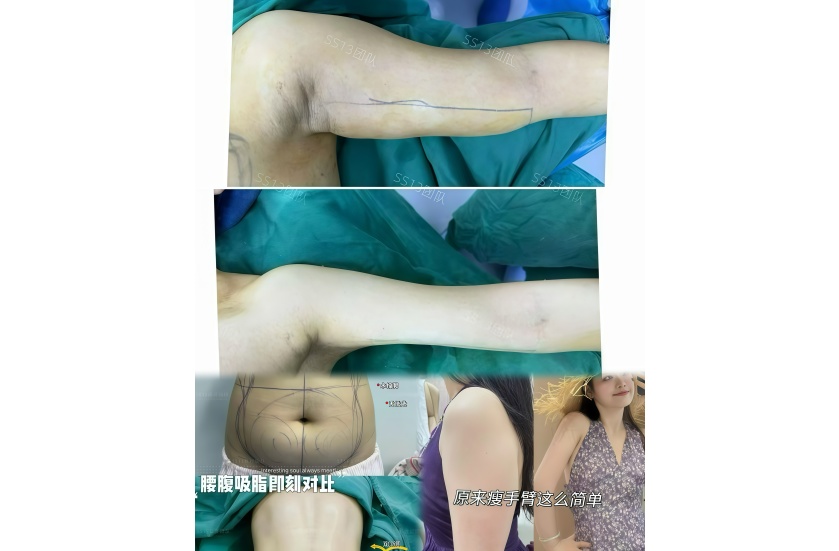
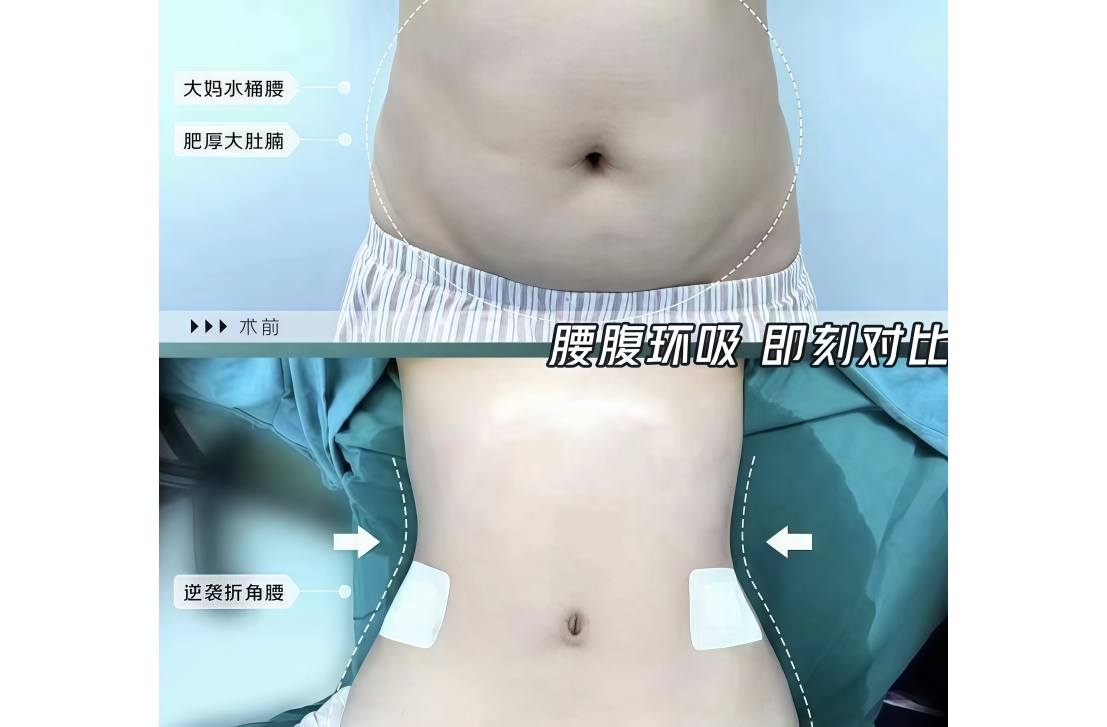
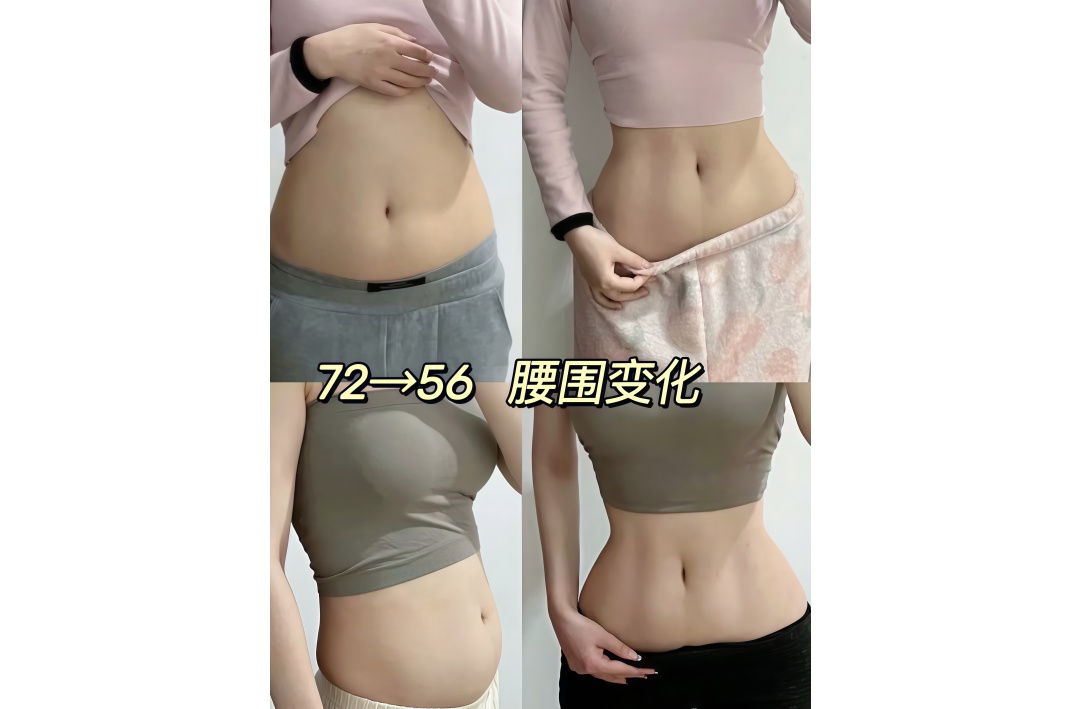
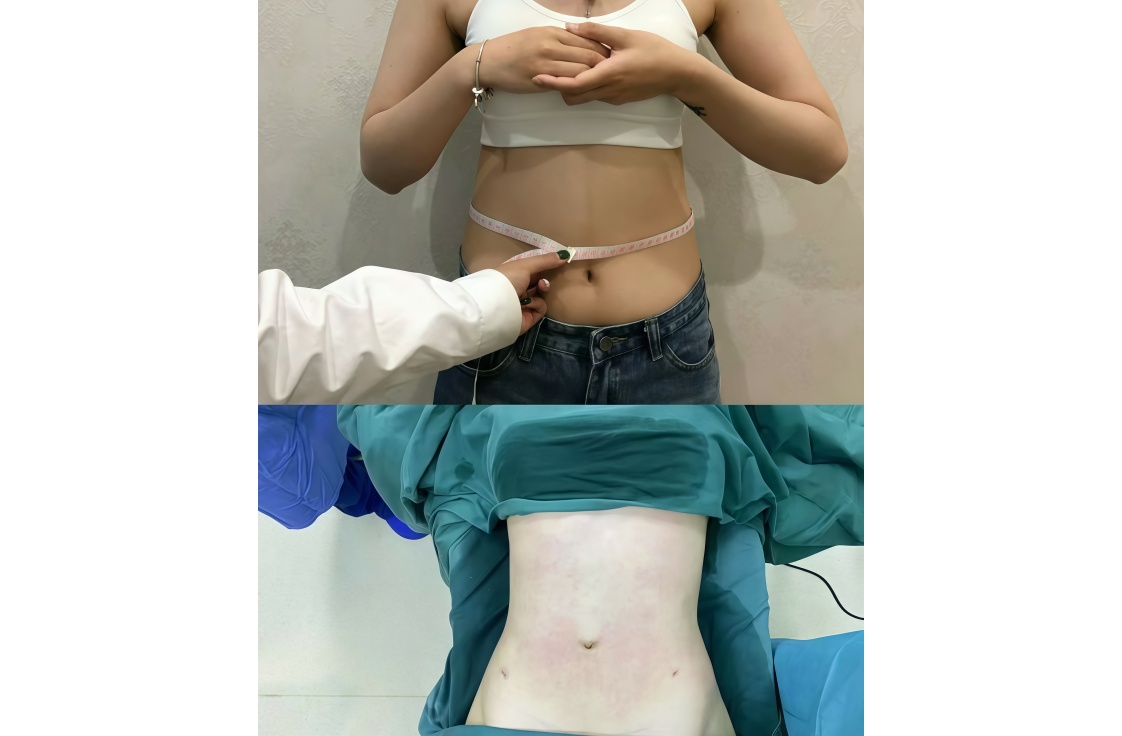
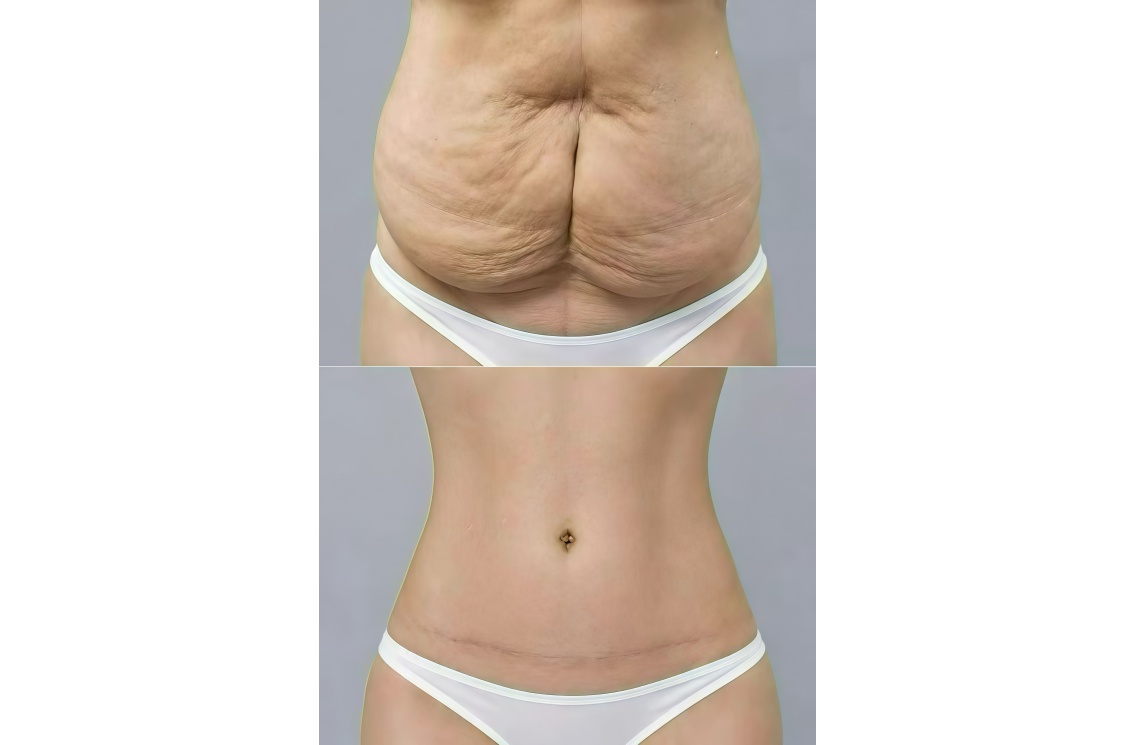
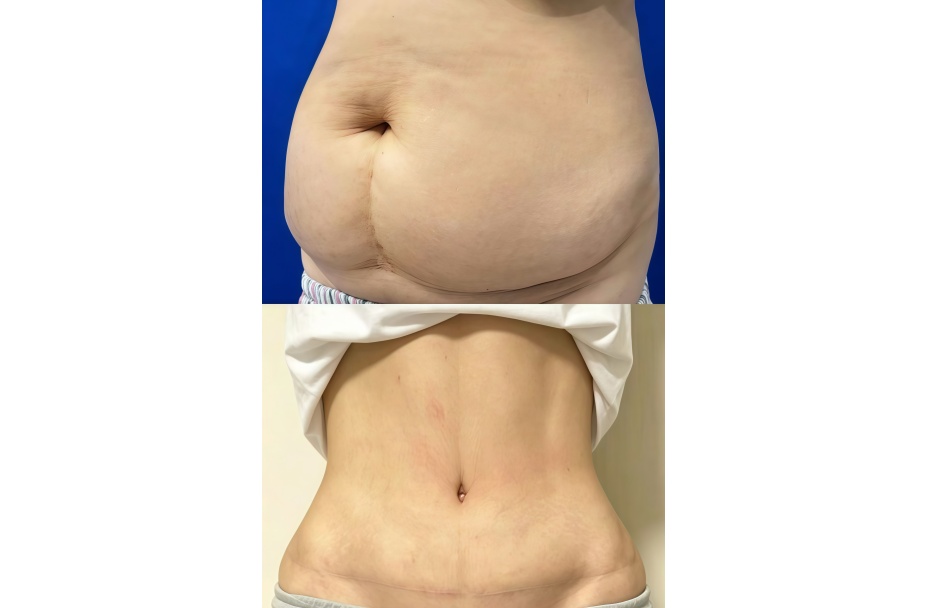
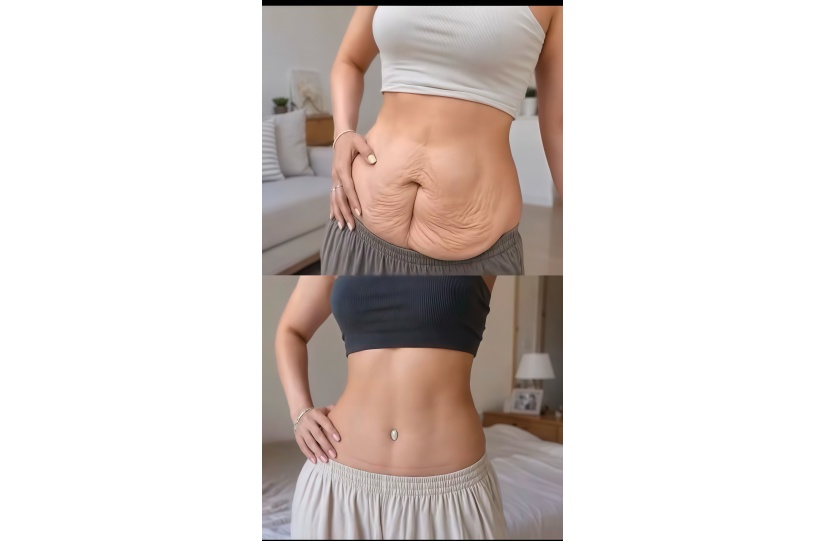
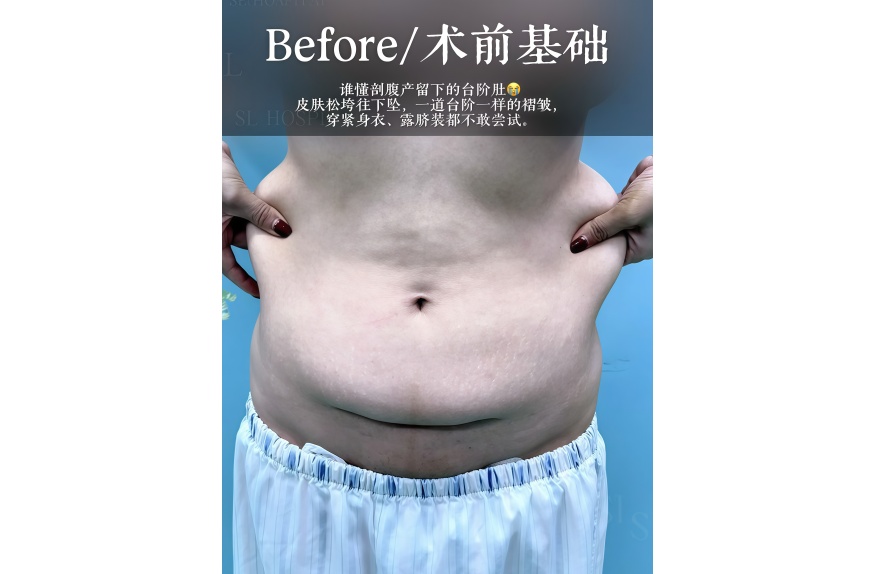
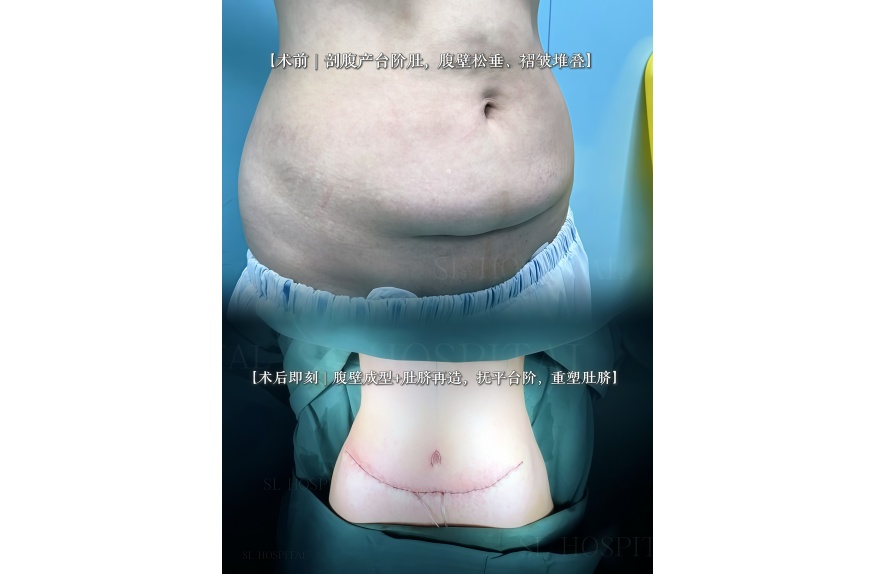
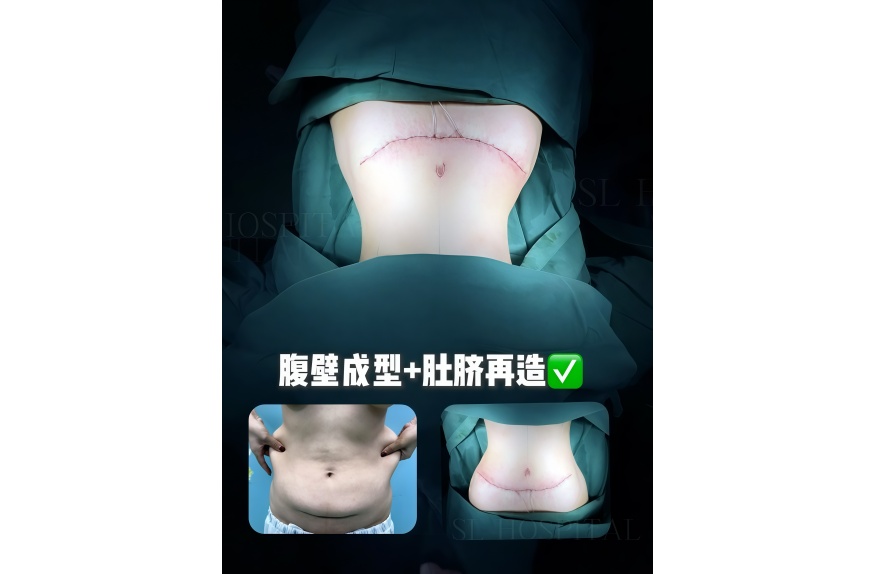
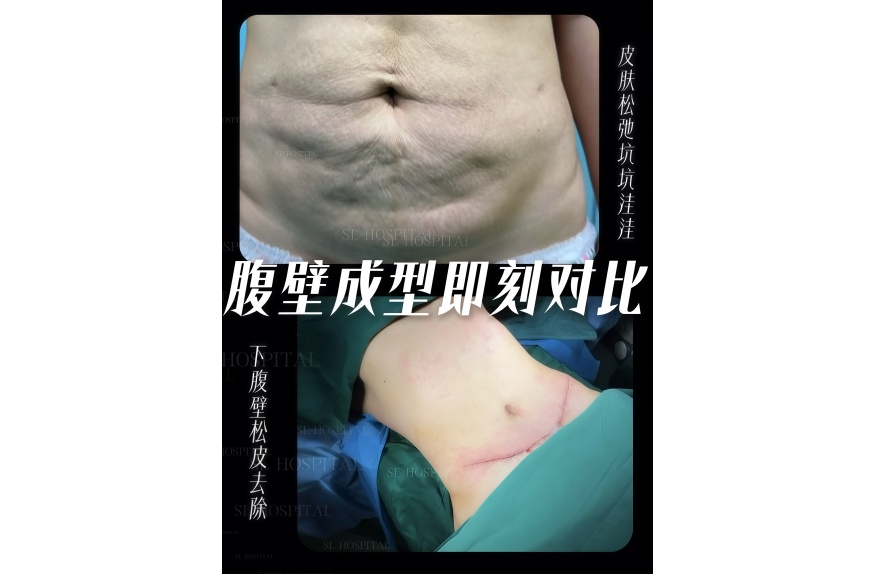
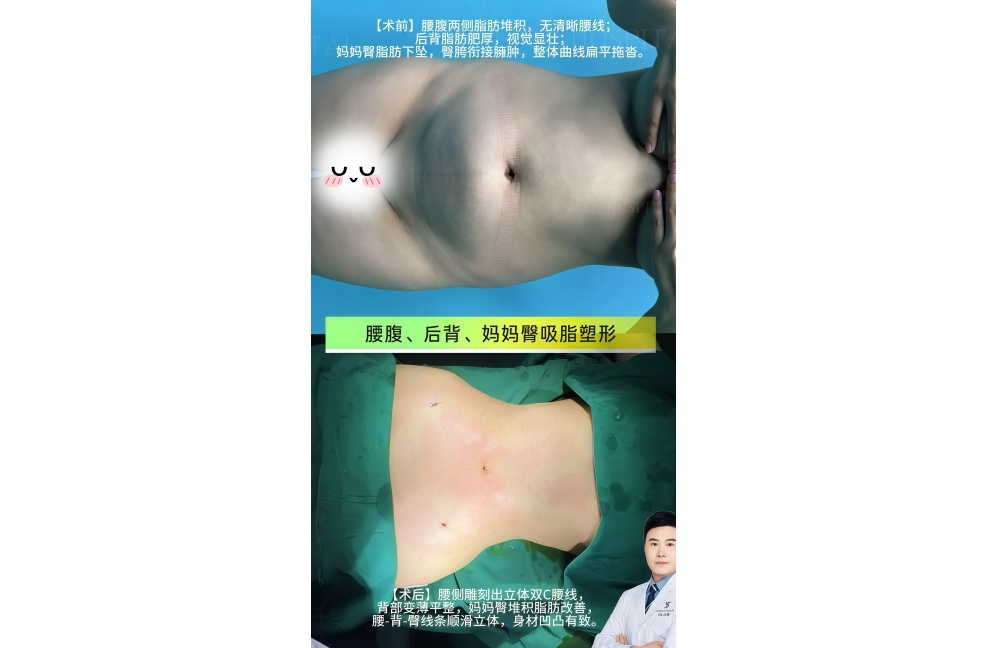
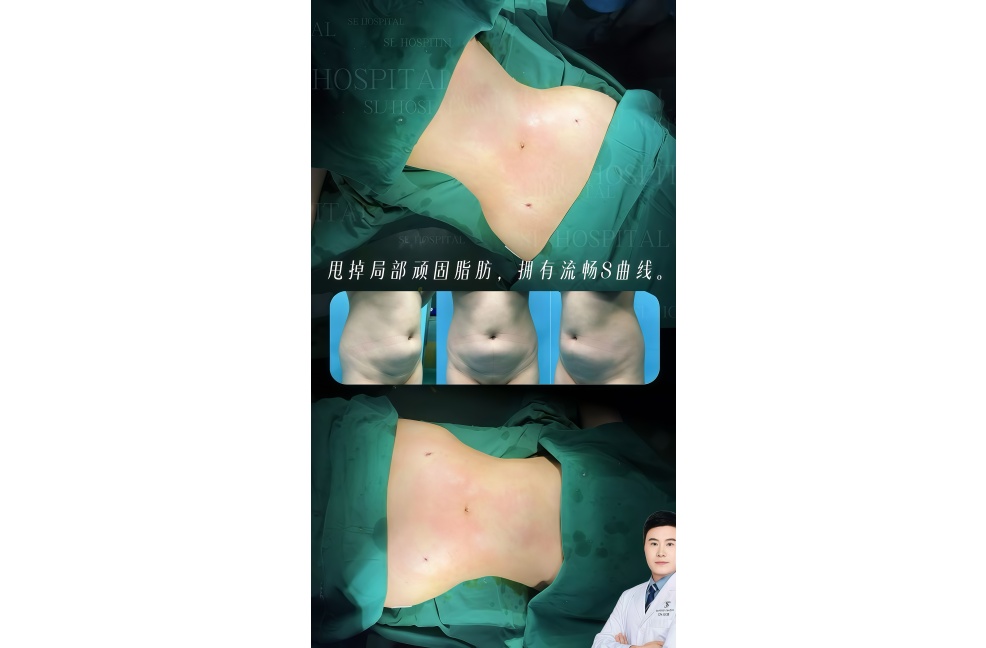
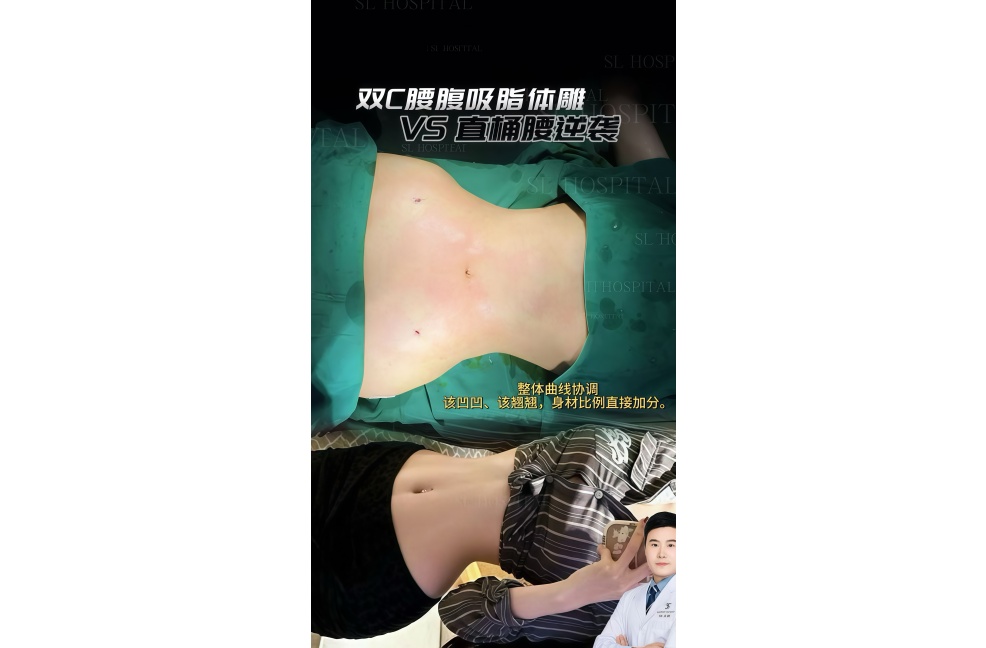
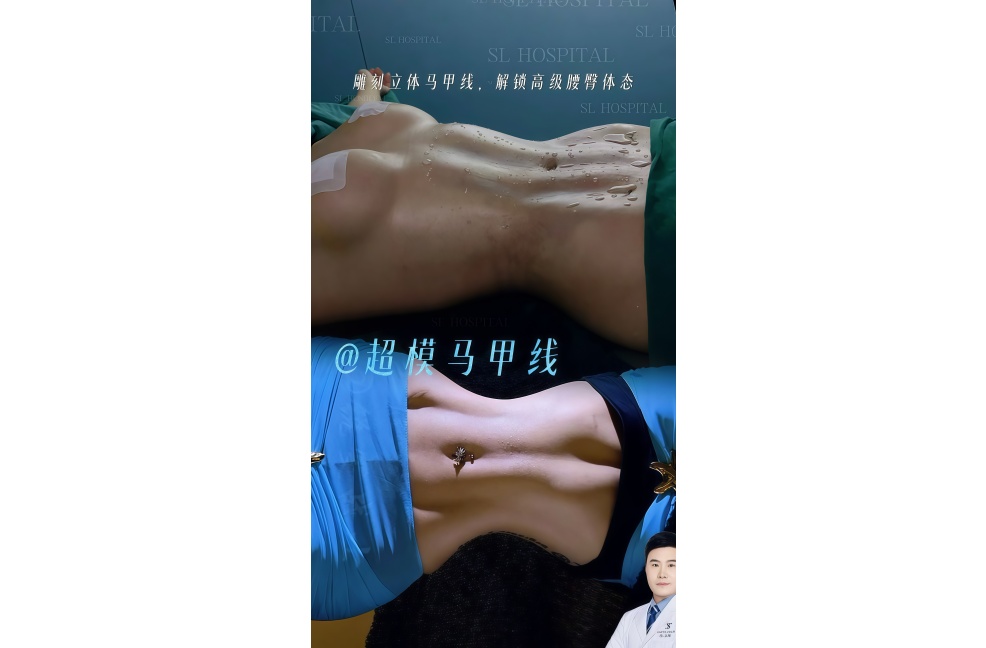
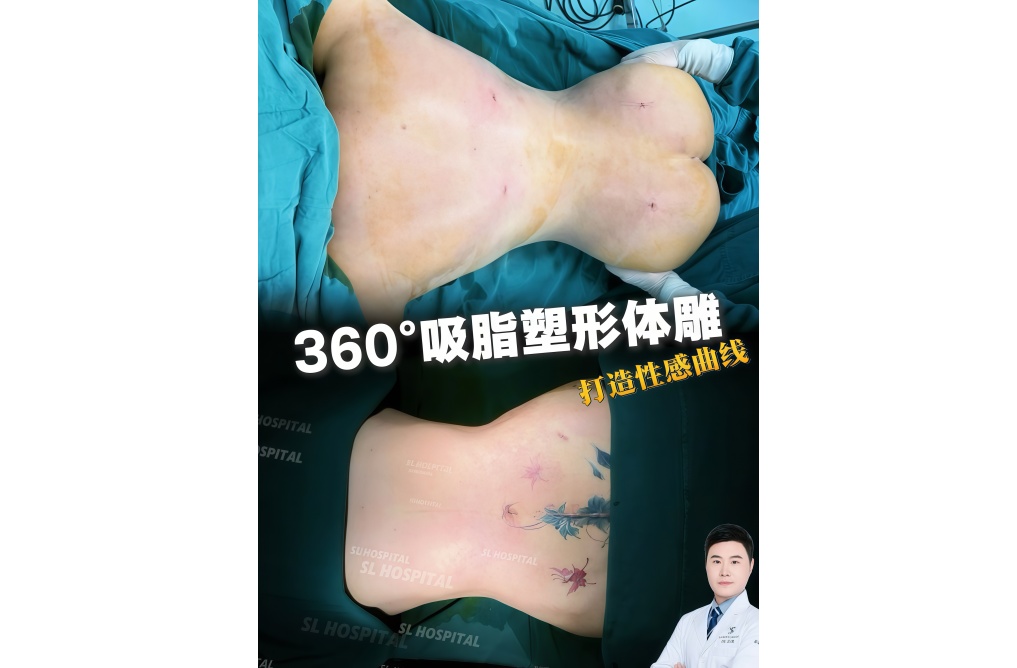
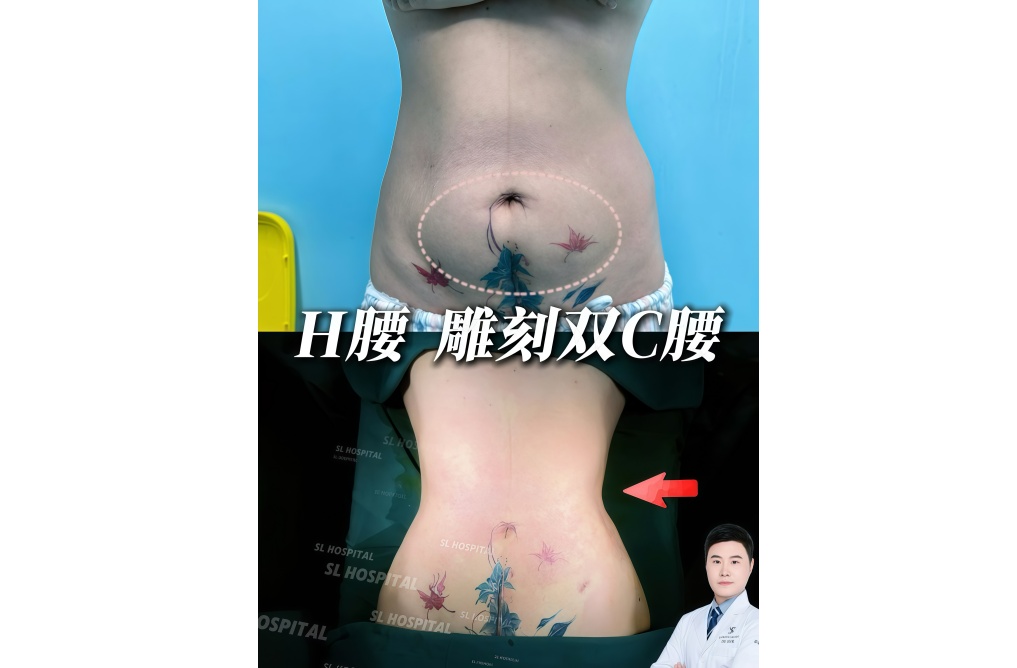
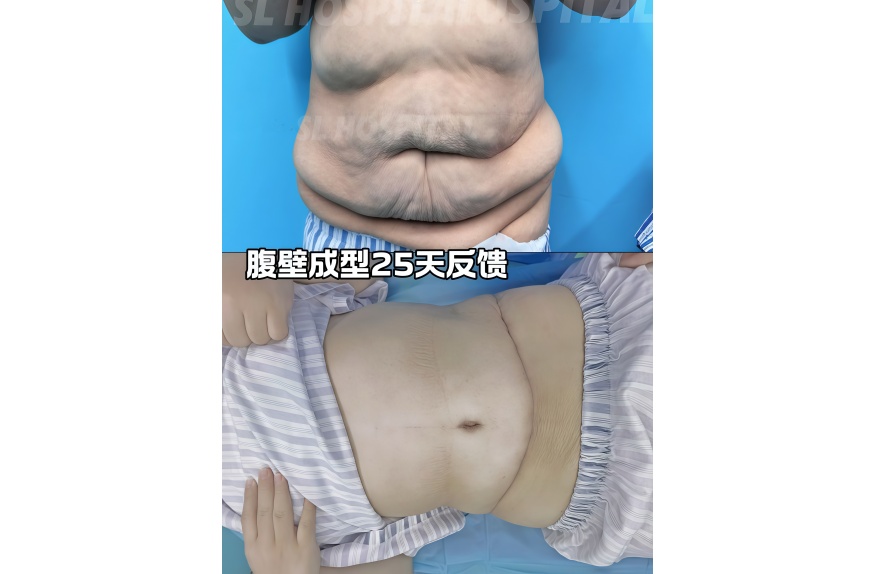
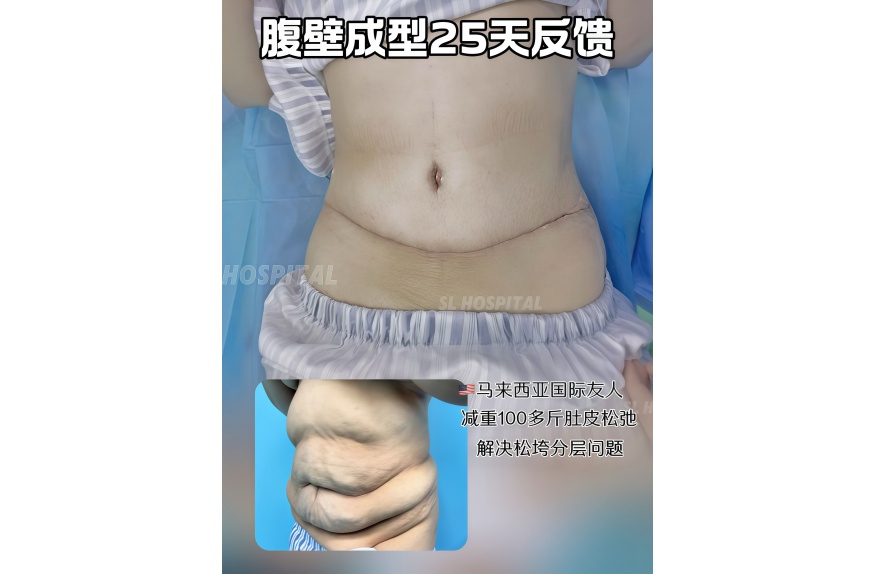
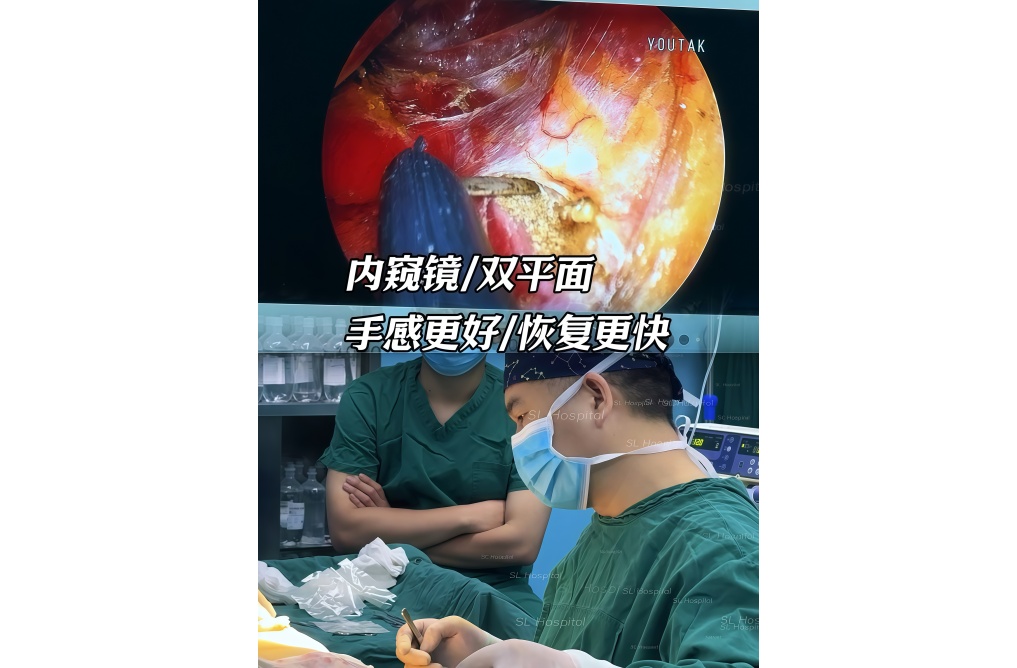
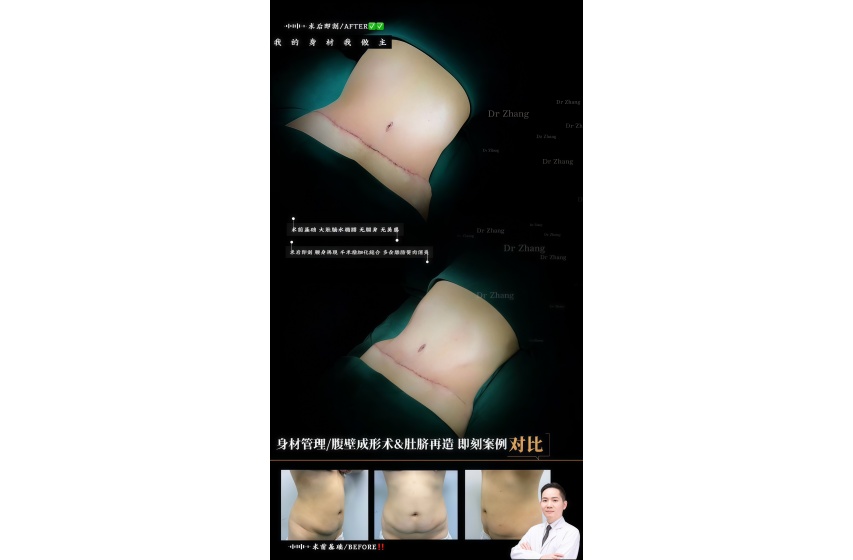
? Core concept: Abdominal contouring, not weight loss
The key to understanding liposuction lies in differentiating it from weight loss. After adulthood, the number of fat cells in the human body remains relatively constant. Regular weight loss can only reduce the size of fat cells, while liposuction directly reduces the absolute number of fat cells, resulting in long-term local shape changes.
Therefore, the most ideal candidates for liposuction are those whose body weight is relatively standard (for example, BMI is typically below 28), but have localized fat accumulation. If one is suffering from overall obesity, they should prioritize scientific weight loss rather than hoping for liposuction. At the same time, good skin elasticity is an important prerequisite for achieving a satisfactory postoperative contour.
? Common application areas
Liposuction can be applied to multiple areas of the body where diet and exercise do not effectively reduce fat accumulation, including:
The trunk: abdomen, waist (flank), back, buttocks.
Limbs: upper arms, thighs (inner and outer sides), calves and ankles.
Face and neck: chin, neck.
Others: Sometimes it is also used to treat gynecomastia (enlargement of male breast tissue).
? Comparison of mainstream technical approaches
Different liposuction techniques mainly differ in how they separate fat. The goal is to remove fat more efficiently and safely, and may also have a certain effect on skin tightening. The following are comparisons of several main techniques:
Traditional Negative Pressure Liposuction (SAL)
Principle: After injecting a swelling solution, negative pressure mechanical force is used to directly extract fat.
Characteristics: The most classic and widely used basic technique, with definite effects. However, it requires high skills from the doctor, and the postoperative swelling, bruising, and recovery period may be relatively longer.
Hydrodynamic Liposuction (WAL)
Principle: Selective separation of fat tissue using fan-shaped high-pressure water flow, followed by synchronous removal.
Characteristics: It may be more gentle on blood vessels and surrounding tissues, so the early pain and bruising after surgery may be less, and the recovery may be relatively faster. However, the equipment dependence is high, and the cost is usually higher.
Energy-assisted Liposuction (such as ultrasound UAL, laser LAL, radiofrequency RFAL)
Principle: First, the fat is treated through methods such as ultrasonic "shattering", laser "melting", or radiofrequency heating, and then suctioned.
Characteristics: Some methods may have certain help for skin retraction, suitable for areas with a need for fine line transitions. However, there is a risk of thermal damage with energy operations, and the effect highly depends on the equipment and the doctor's experience.
In clinical studies, ultrasound-assisted liposuction (UAL) has shown an advantage of continuously reducing intraoperative bleeding compared to traditional negative pressure liposuction, although the evidence of its superiority in long-term skin tightening is not conclusive. A retrospective study also suggests that patients using UAL have higher satisfaction and better performance in muscle contour shaping and skin tightening. Hydrodynamic liposuction (WAL) is associated with less early postoperative pain and blood loss.
It should be clear that there is no absolute "best" technique; only the selection that is more suitable for individual circumstances. Fat thickness, skin condition, desired effect, and acceptable recovery period are all factors that doctors consider when recommending a plan.
⏱️ Recovery timeline and the key role of compression garments
Liposuction recovery is a gradual process, and the final effect takes several months to stabilize.
Overview of the recovery timeline
1-3 days after surgery: Swelling, bruising, and exudate are common, and the pain is relatively obvious. Adequate rest is required.
4-7 days after surgery: Pain and bruising gradually subside, and stitches can usually be removed in 7-10 days. Under the condition of avoiding physical labor, one can return to work while avoiding strenuous activities.
1-4 weeks after surgery: Most swelling subsides. Most non-physical workers can return to work, but strenuous and heavy physical labor should be postponed until 3-4 weeks after surgery.
1-3 months after surgery: The contour gradually stabilizes, and numbness and stiffness of the skin improve. The tissue repair and final shaping usually take about 3 months.
3-6 months after surgery: Reach the final stable effect.
Compression garments are an indispensable part of the recovery period, usually requiring wear for 1-3 months. Their core role is not simply "tightening", but:
Compression hemostasis: Pressing the cavity formed by the surgery to reduce the risk of bleeding, hematoma, and seroma.
Fixation and shaping: Reattaching and fixing the separated skin with the deep tissue, preventing skin laxity and drooping, and helping the remaining fat to be evenly distributed, shaping the final contour.
⚠️ Core risks and contraindicated populations
Liposuction is a serious surgical procedure with inherent risks. The most serious risks include fat embolism, deep vein thrombosis (可能导致肺栓塞), internal organ perforation, and body fluid and electrolyte disorders caused by excessive liposuction, which are rare but can be life-threatening. Lidocaine (anesthetic medication) poisoning is also a systemic risk to be vigilant about.
Local complications are more common, including
Irregular contour: The skin shows unevenness or a wavy appearance. If combined with poor skin elasticity, these changes may be permanent.
Edema (seroma), infection, hematoma, local numbness or abnormal sensation.
The following groups of people are usually not suitable or need extremely cautious assessment of surgical risks:
Those with uncontrolled major systemic diseases, such as severe cardiovascular diseases, diabetes, coagulation disorders, or immune deficiencies.
Severely obese individuals (liposuction is not their preferred weight loss method).
Those with severely loose and lackluster skin (the postoperative effect may be poor).
Minors.
Smokers: At least 4 weeks of smoking cessation before the surgery is required to reduce the risk of poor healing and complications.
? Summary
The decision on abdominal contouring should be based on a clear understanding: it is a tool for precisely shaping local contours, rather than a shortcut to solve the problem of overall obesity. The prerequisite for its lasting effect is to maintain a stable weight and a healthy lifestyle after the surgery; otherwise, the volume of the remaining fat cells will still increase, affecting the final shape. If considering undergoing surgery, it is crucial to choose a reputable medical institution and experienced doctors for a consultation, and have a thorough discussion about expectations and risks.